DAYDREAM HOMEWORLD
Google Daydream Homeworld
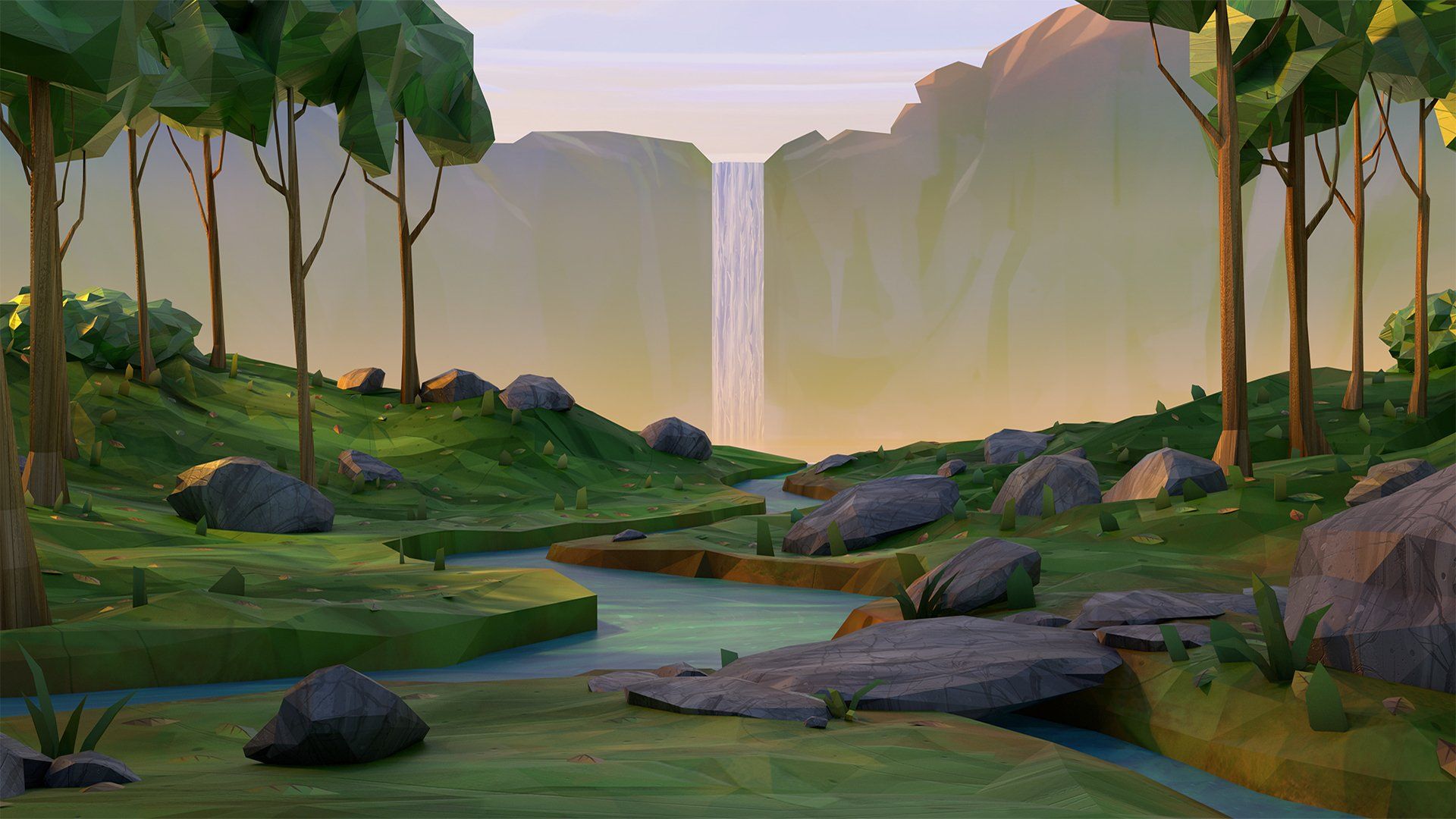
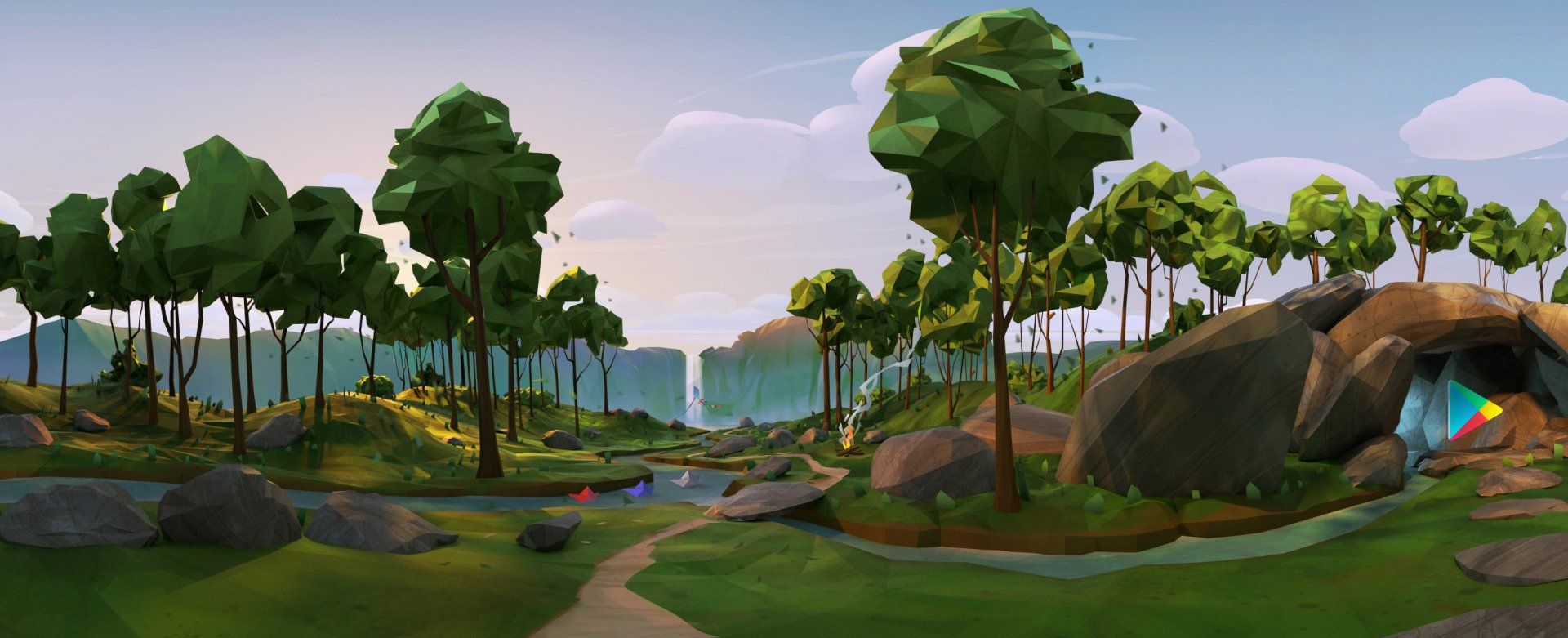
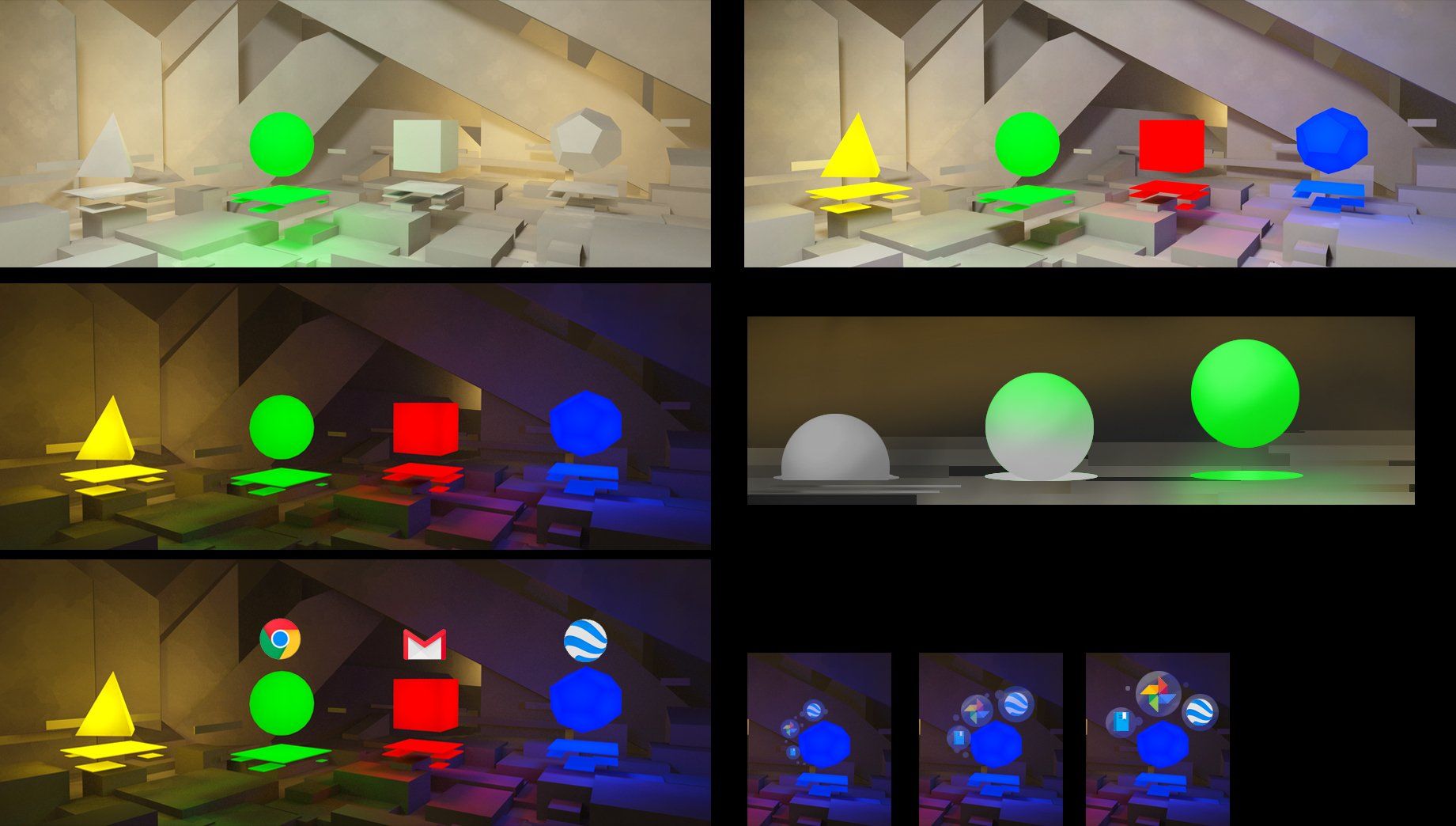
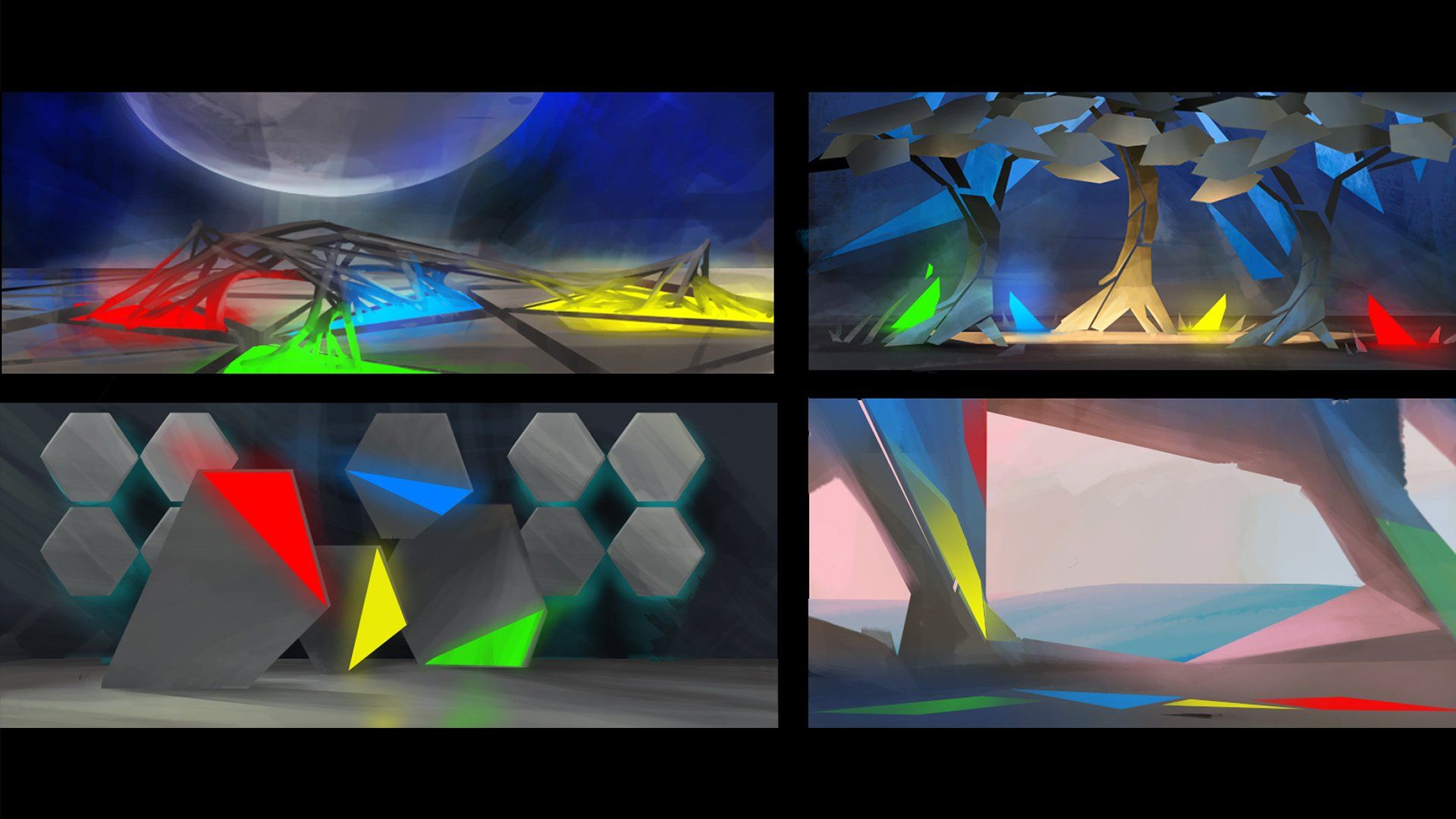
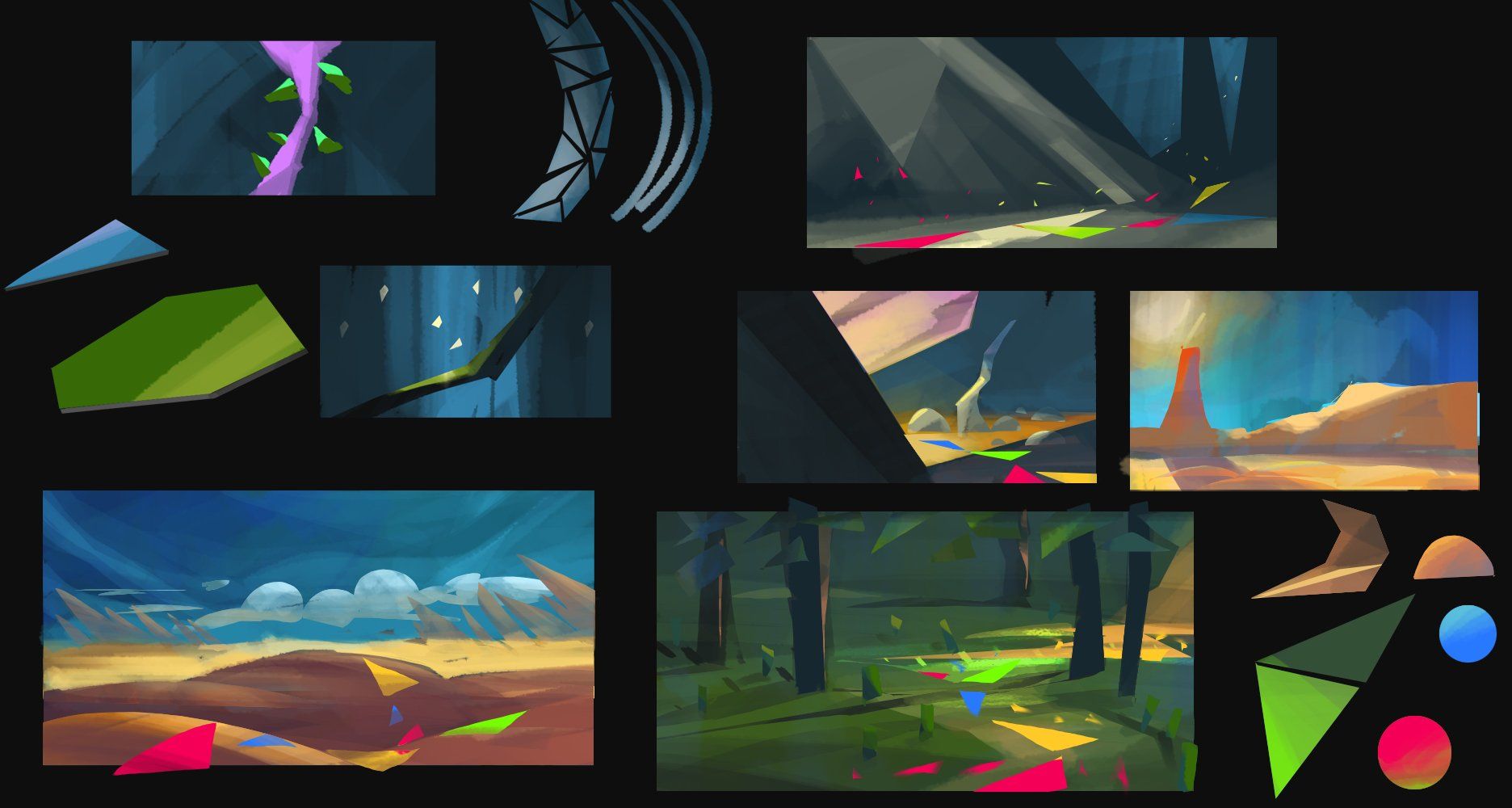
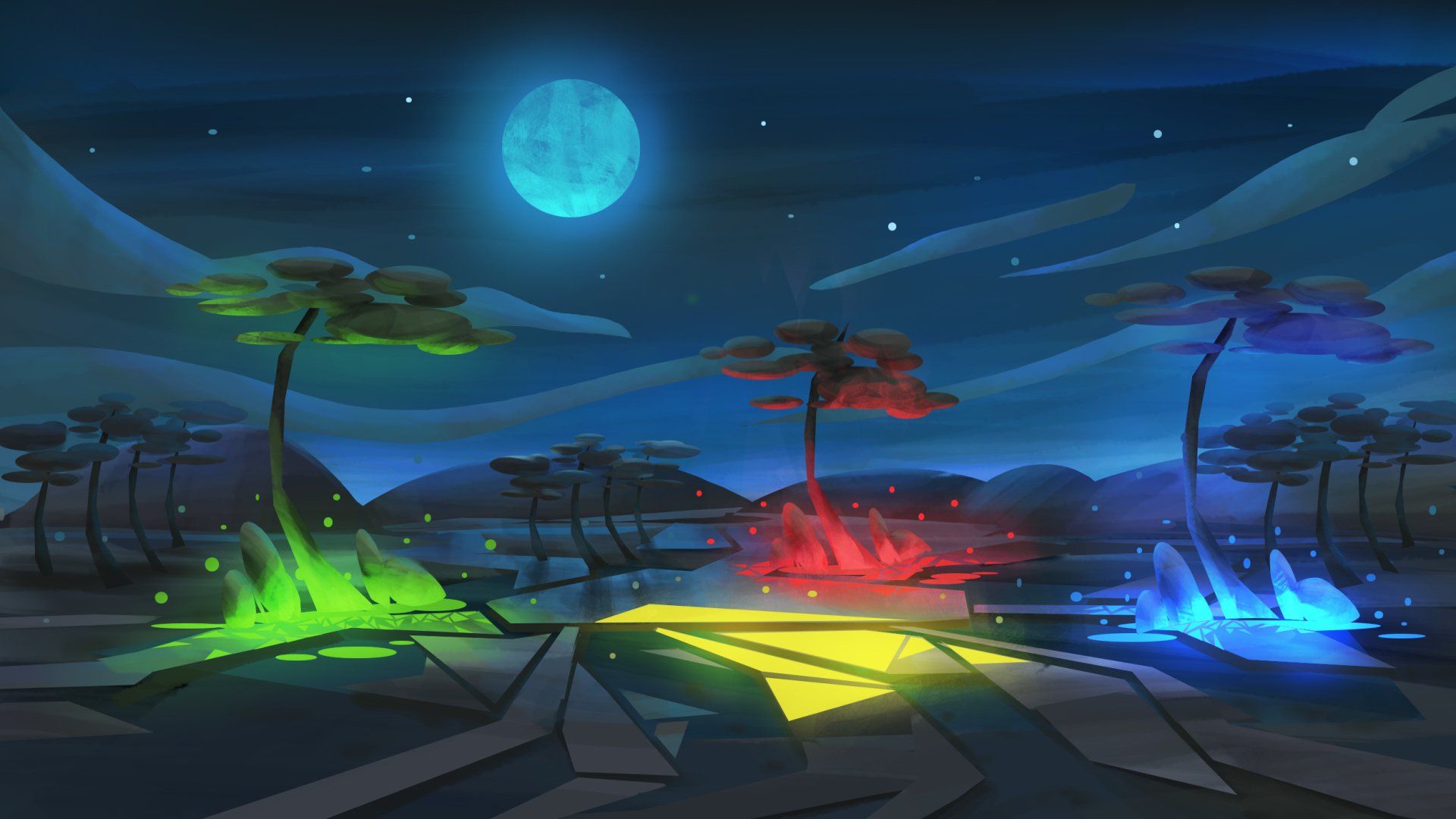
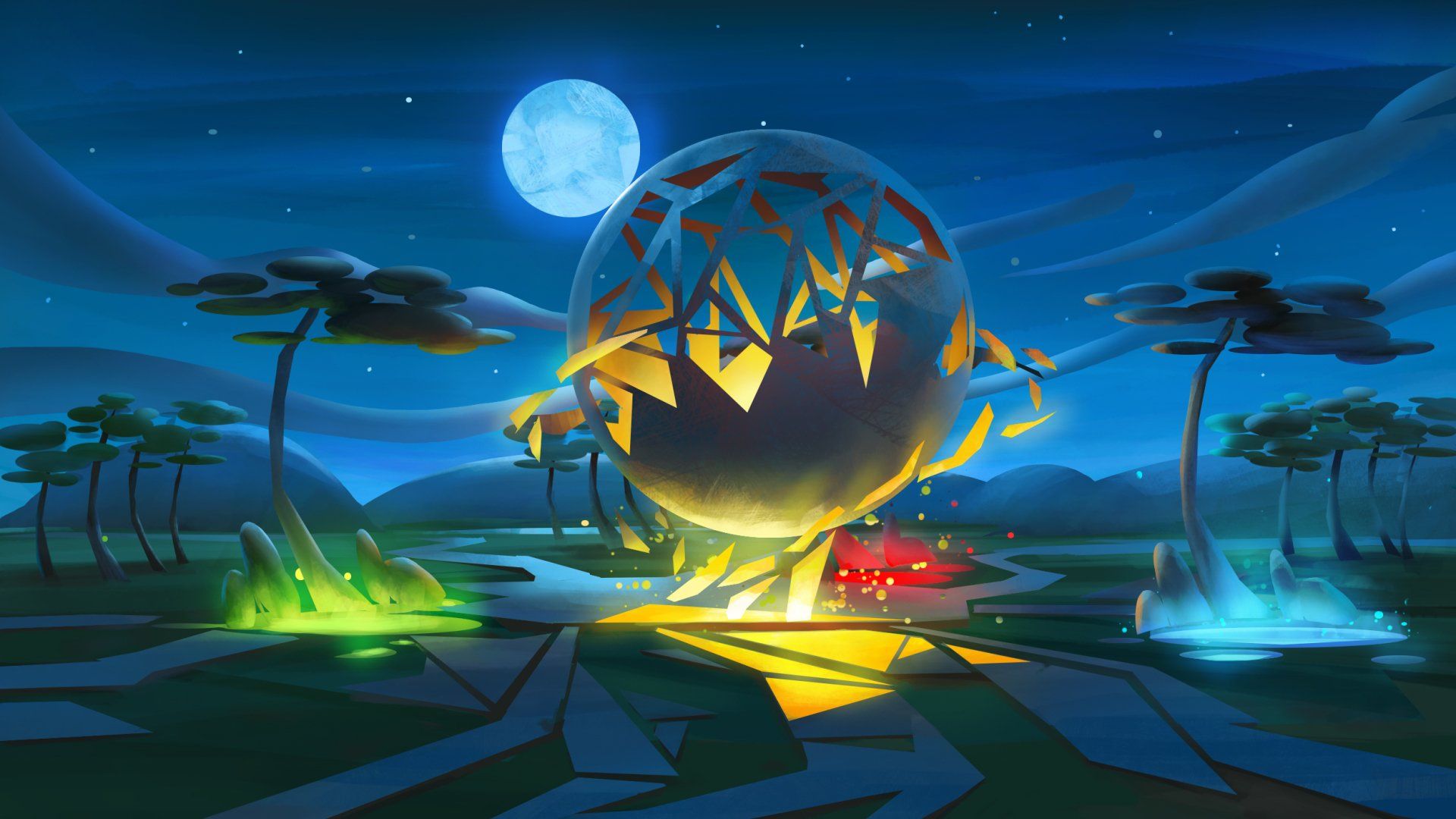
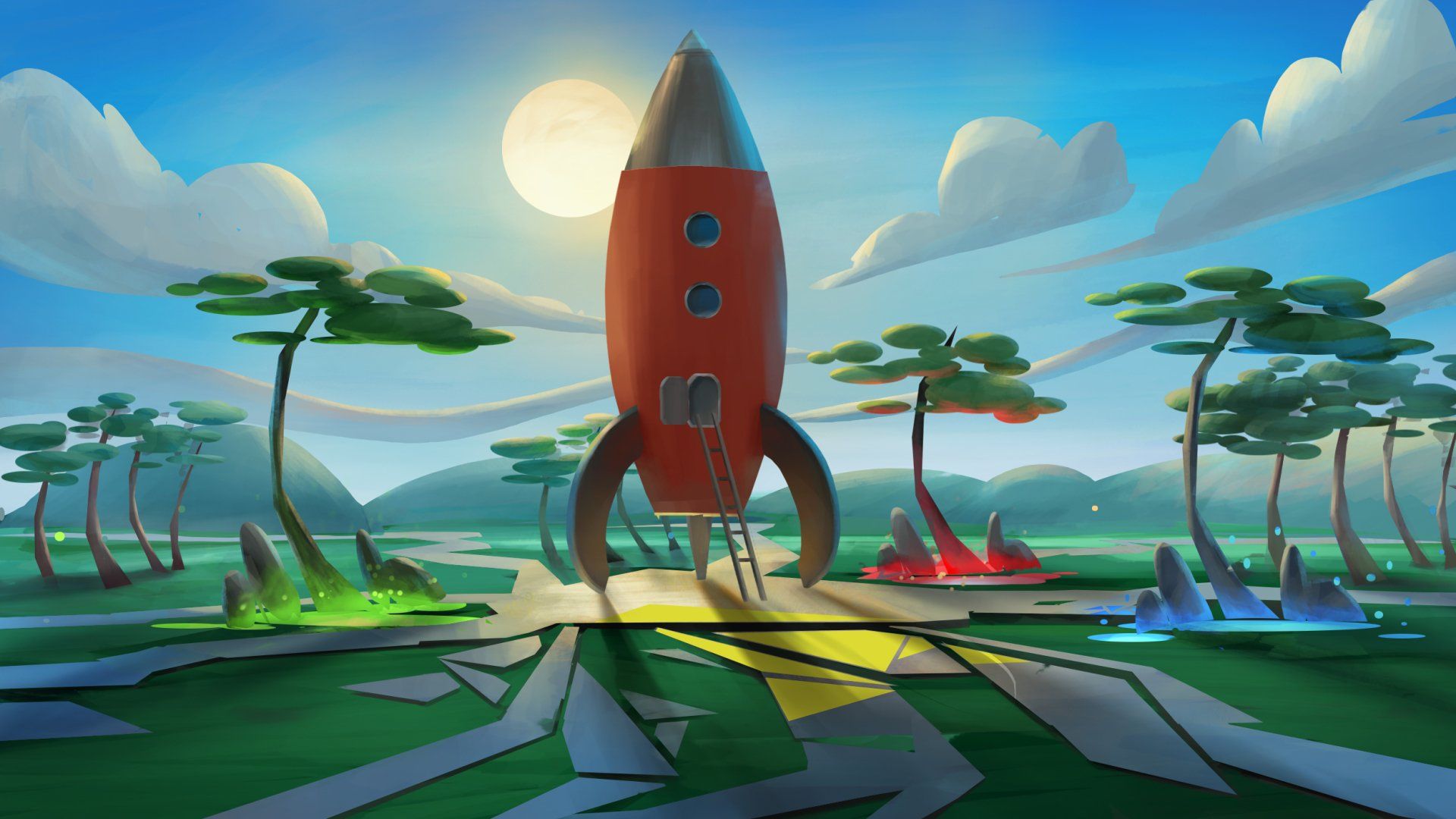
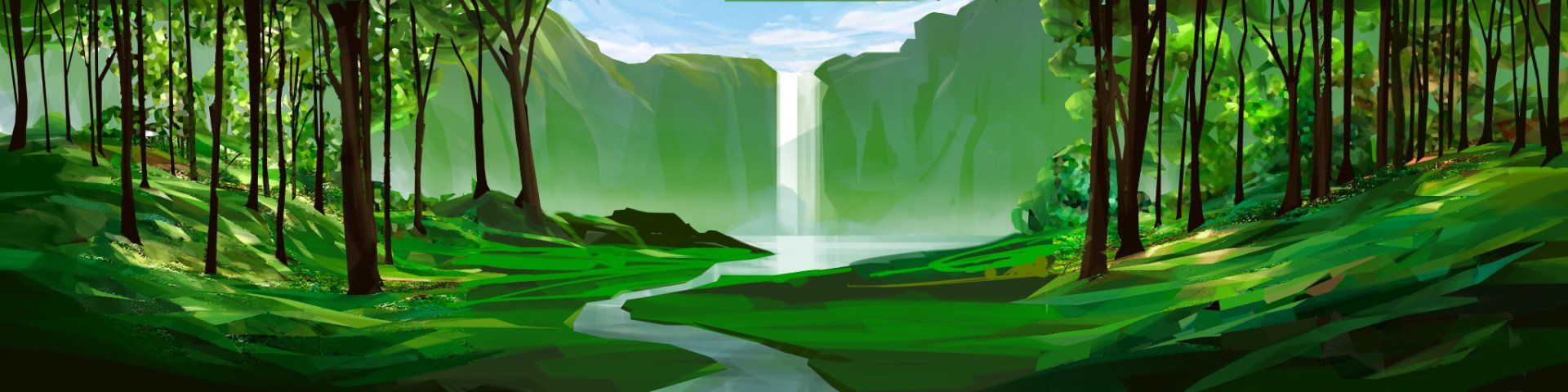
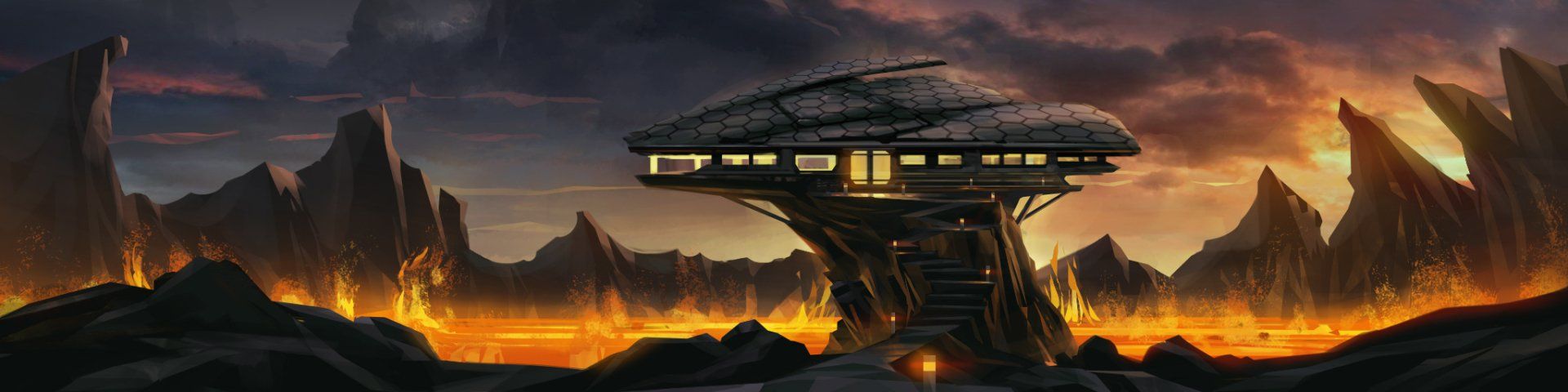
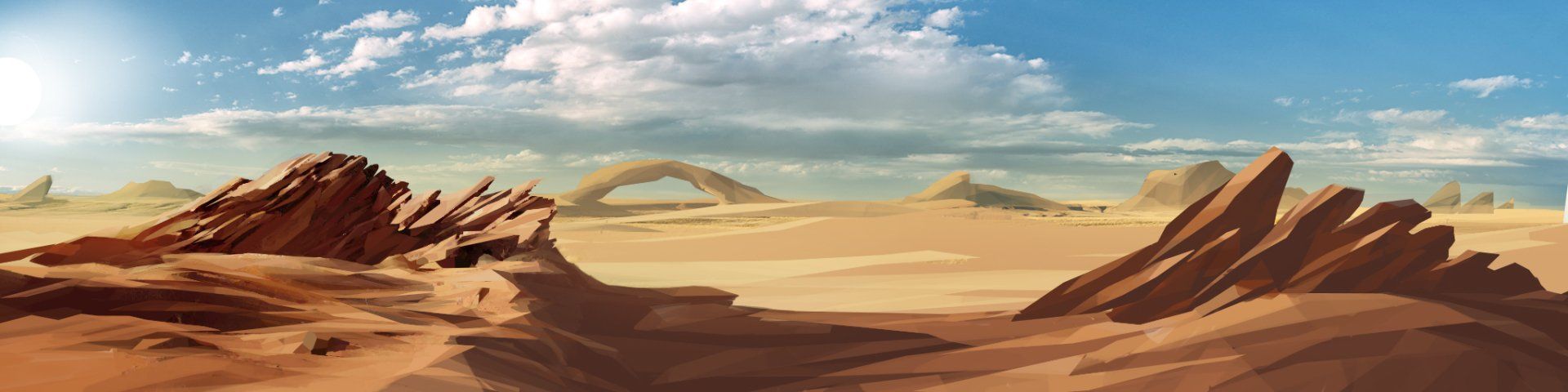
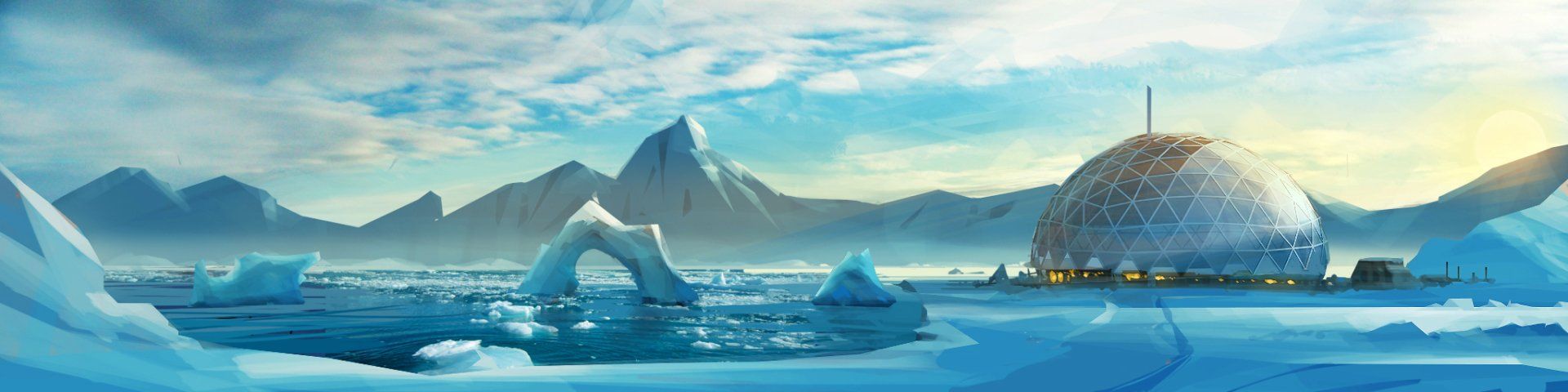
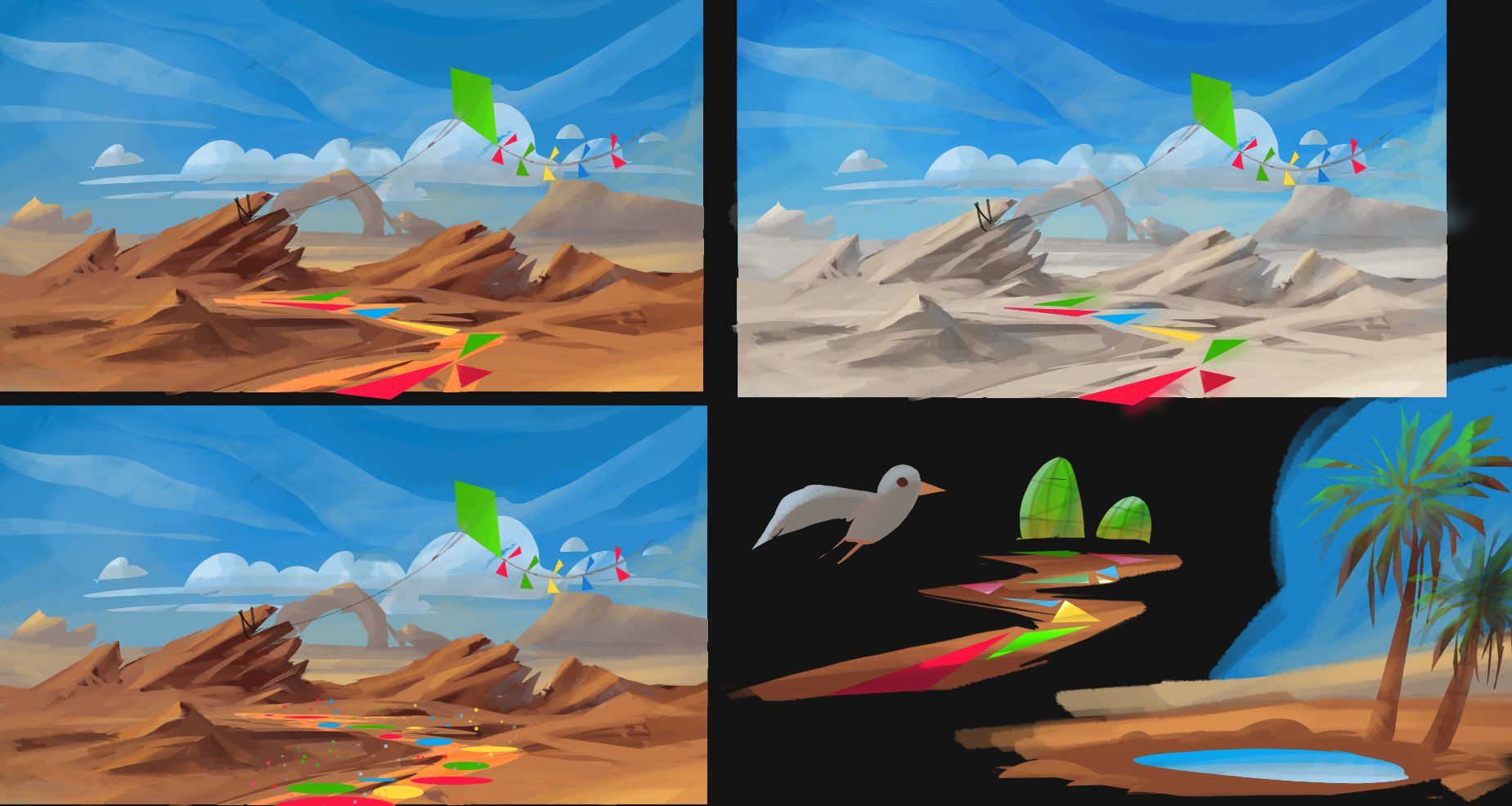
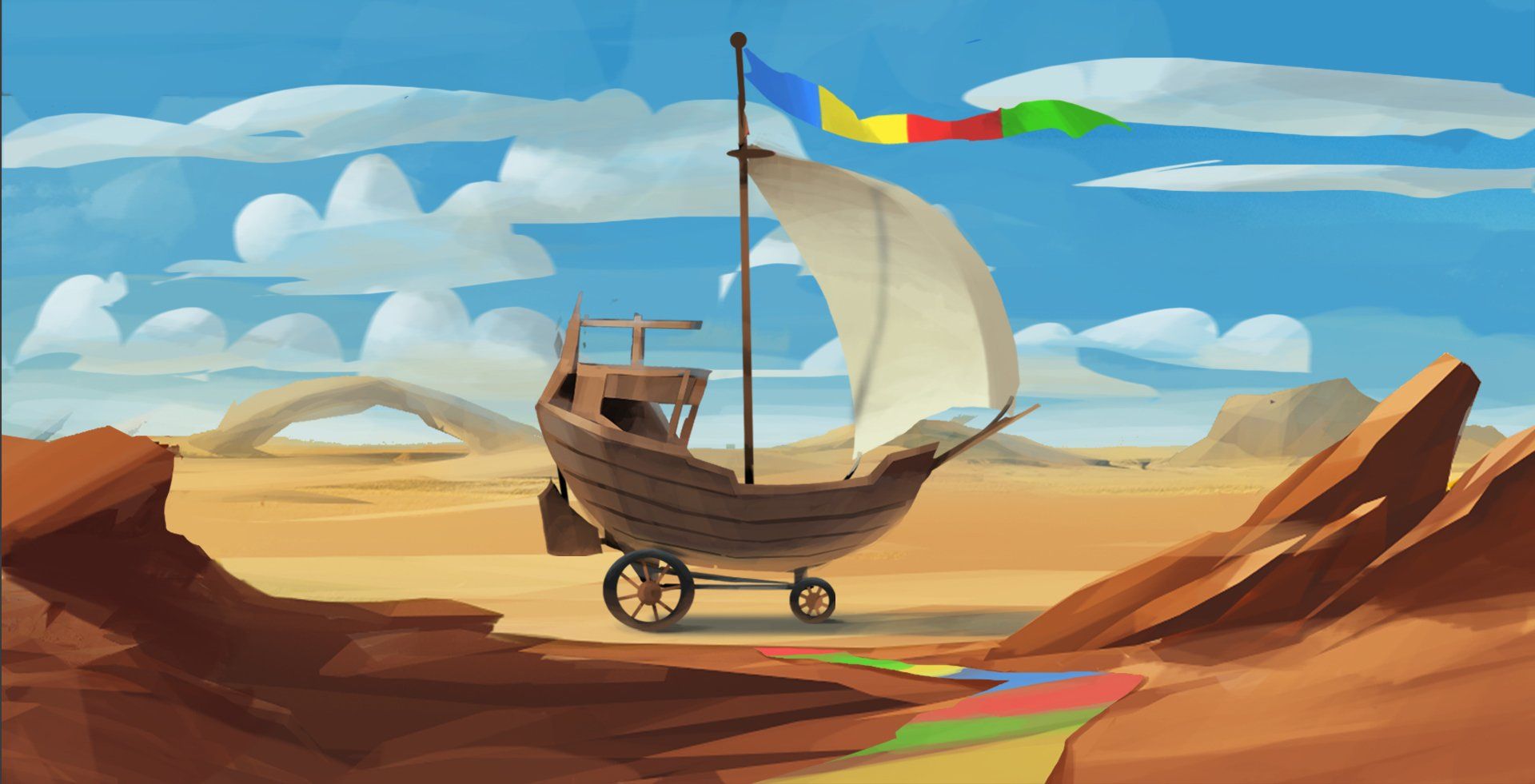
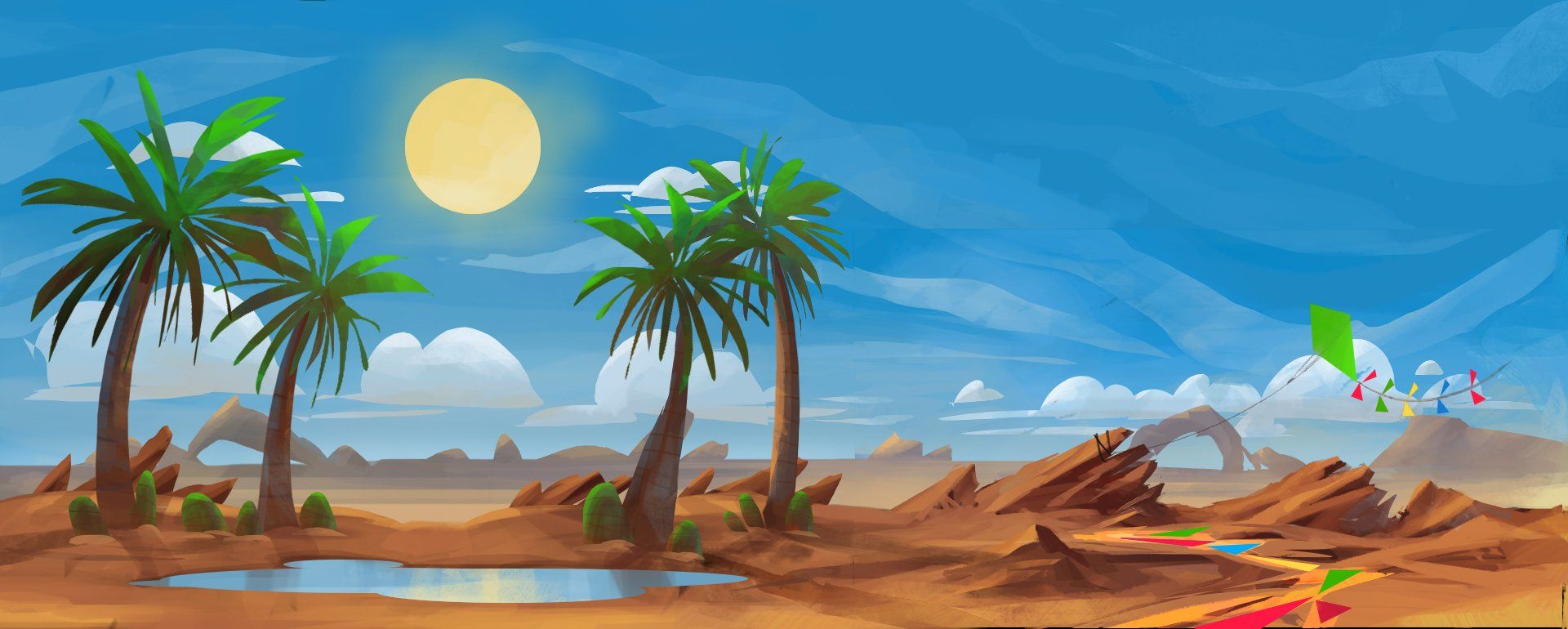
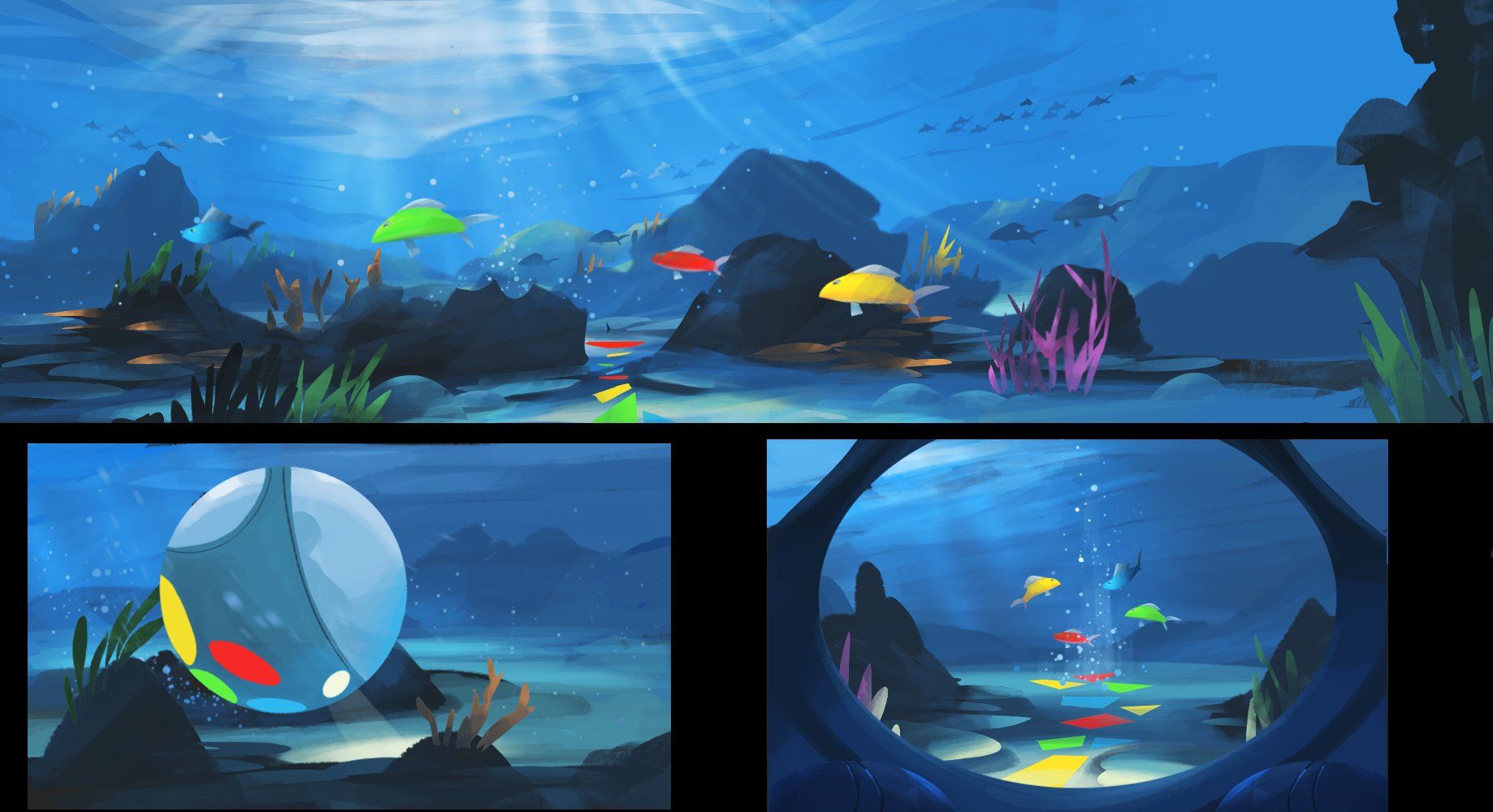
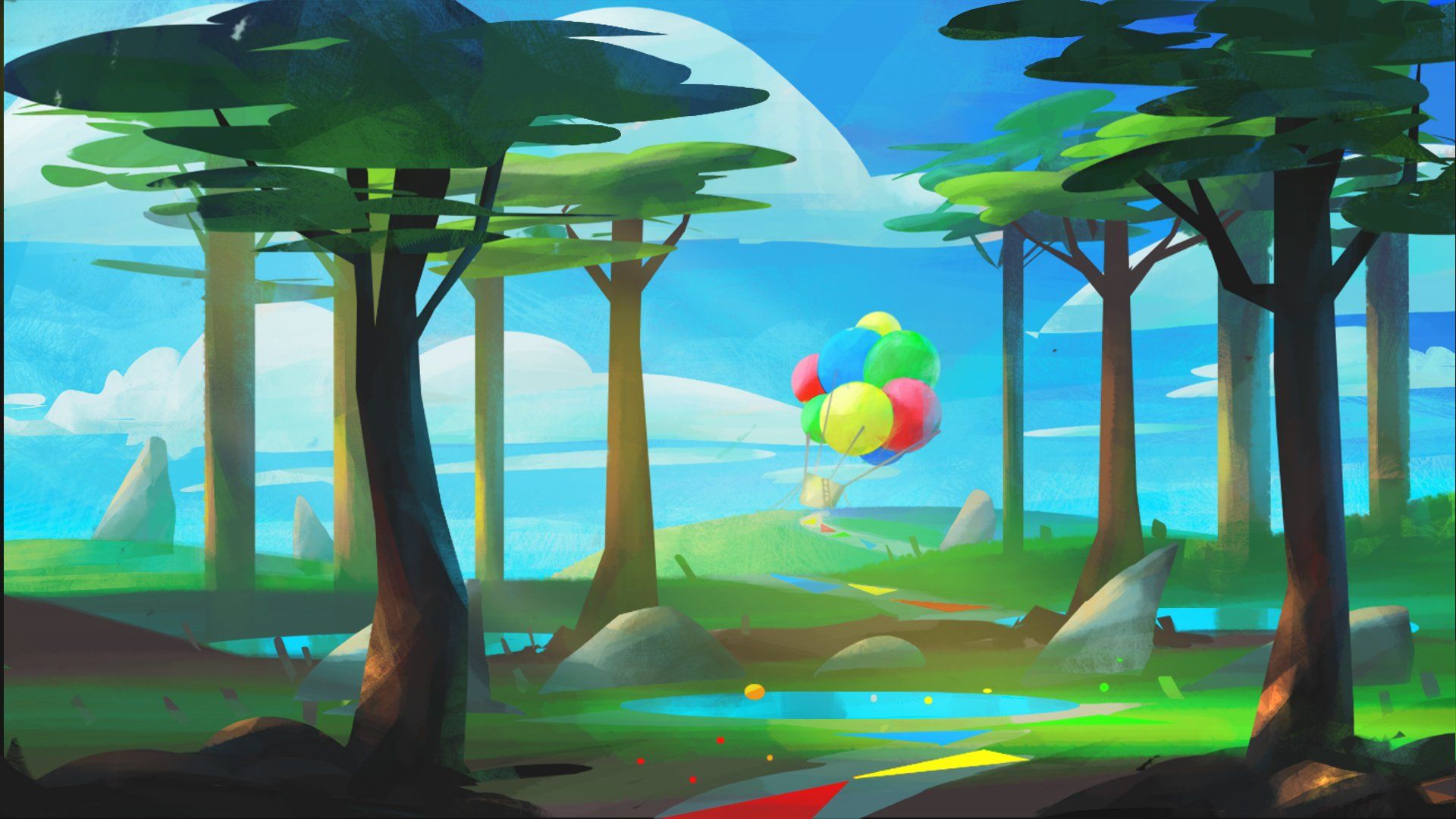
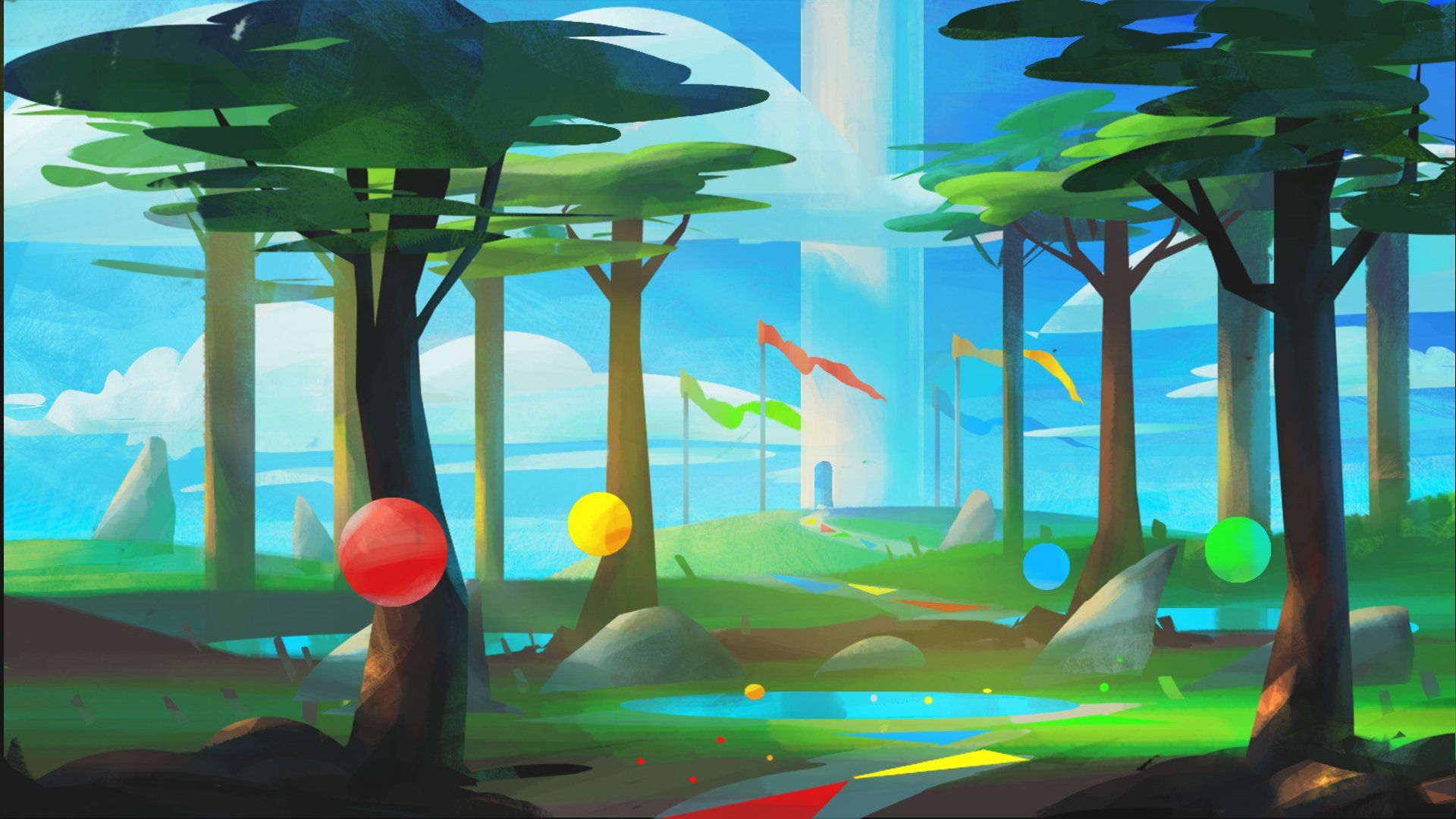
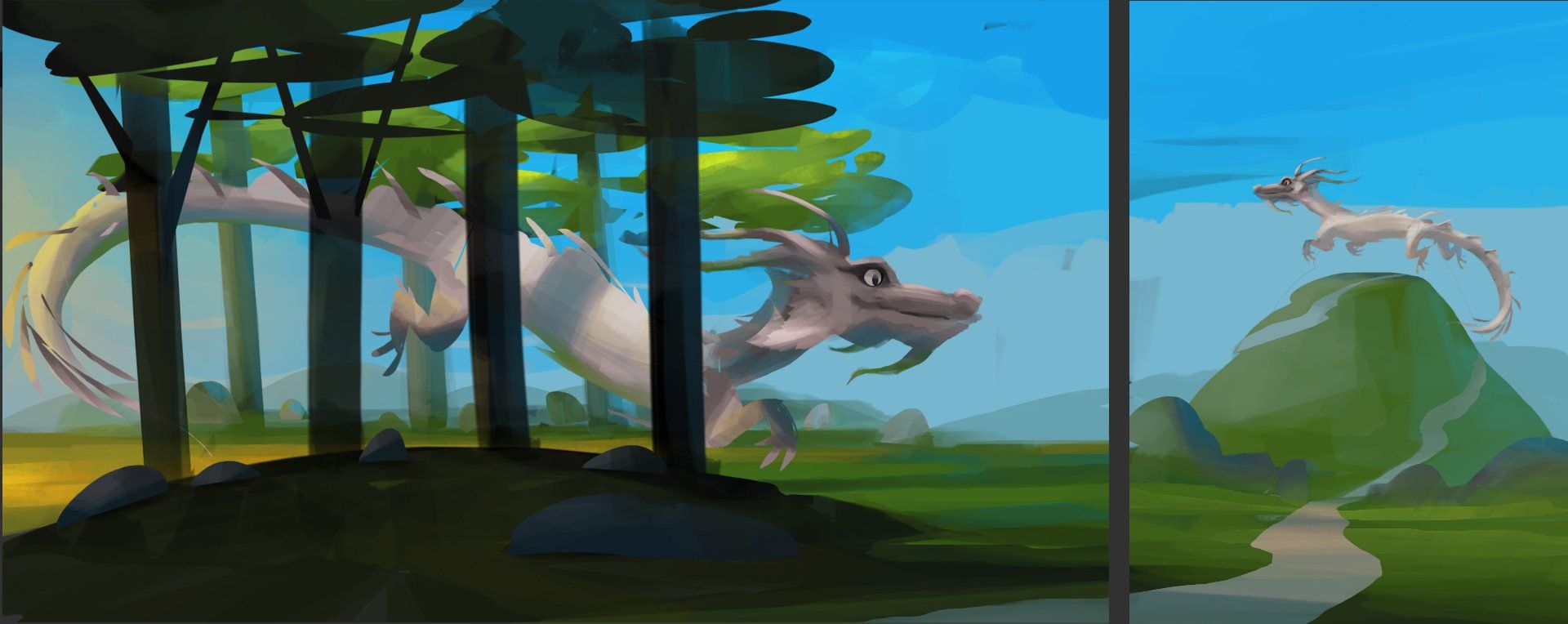
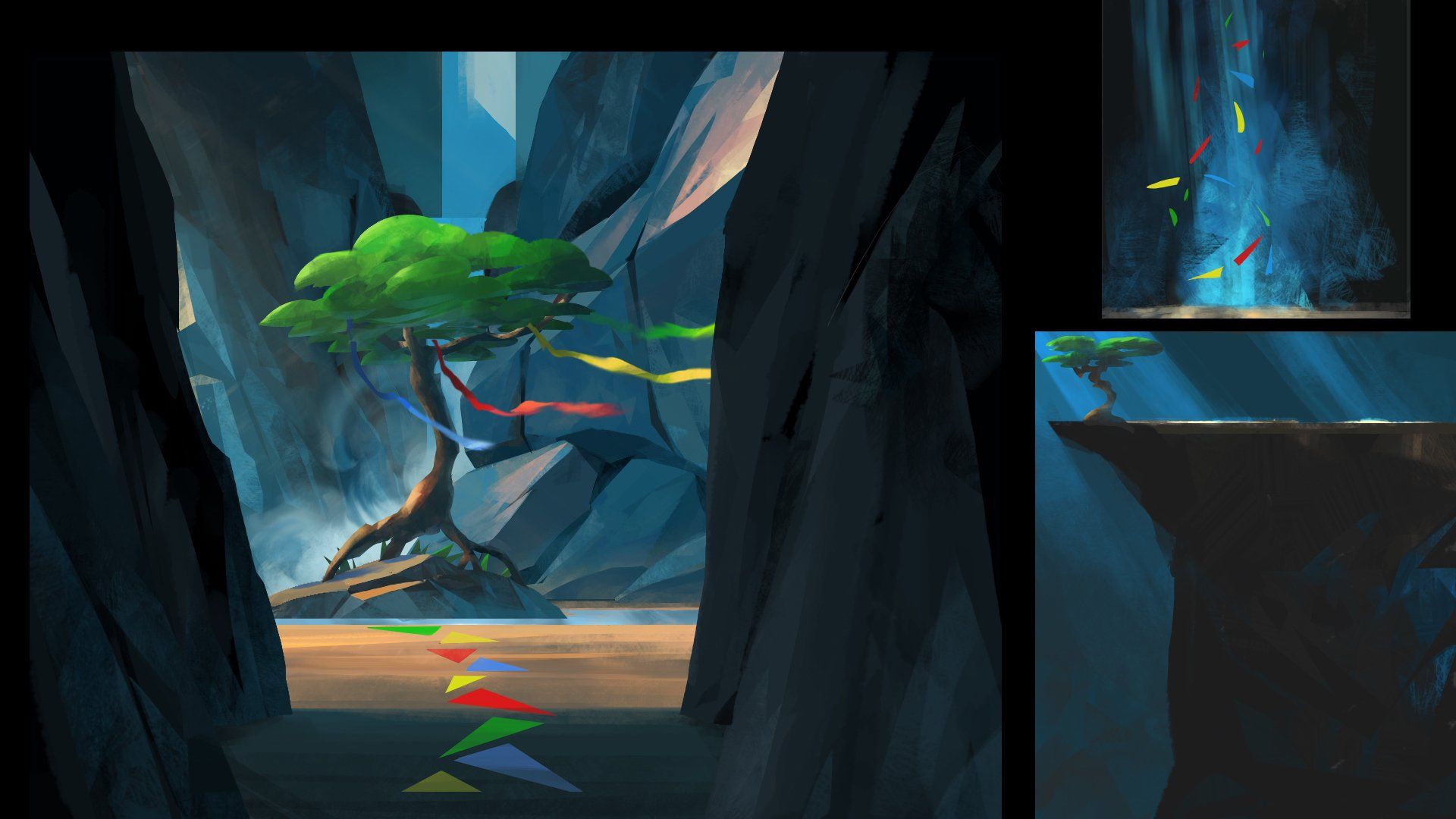
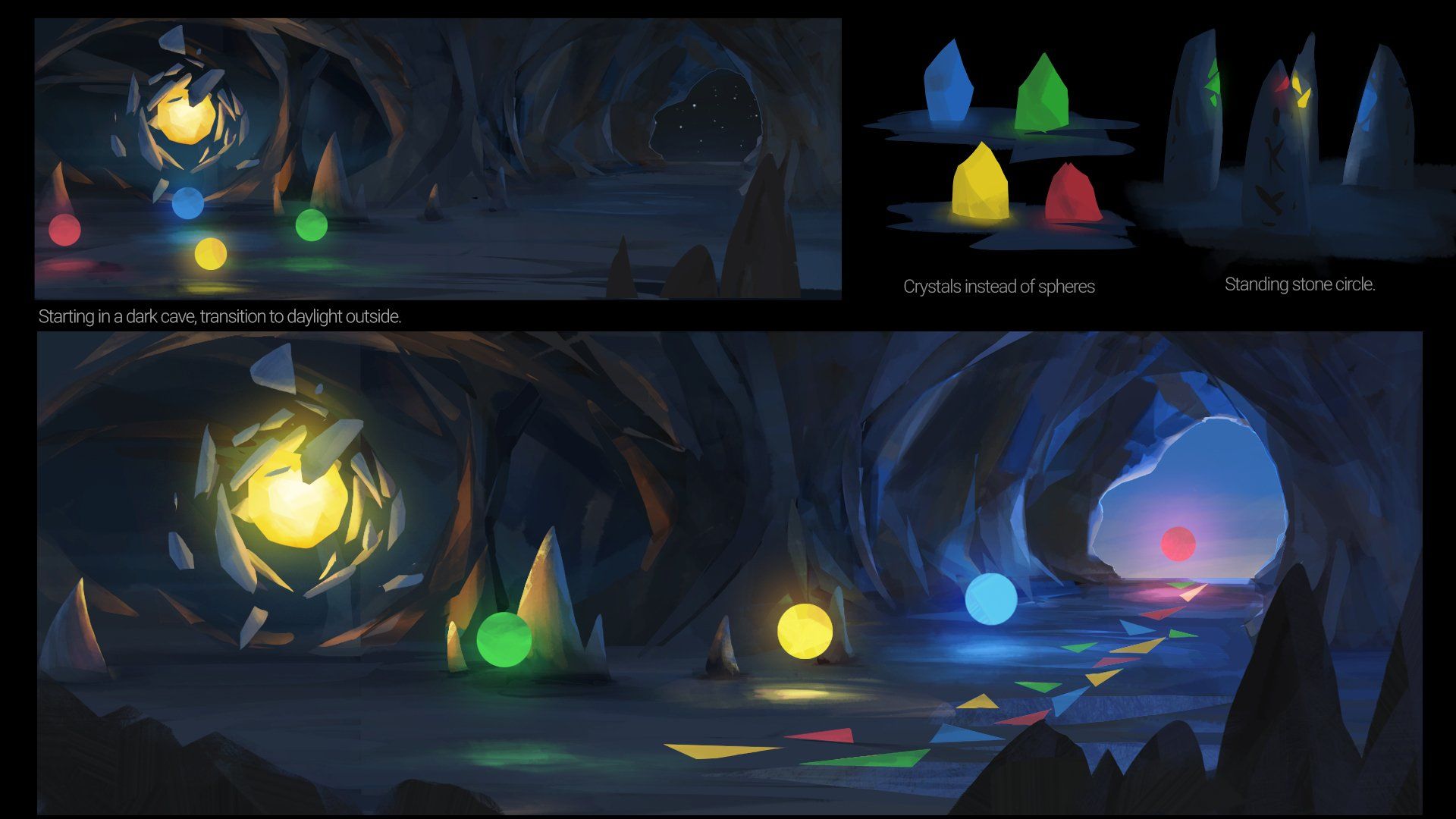
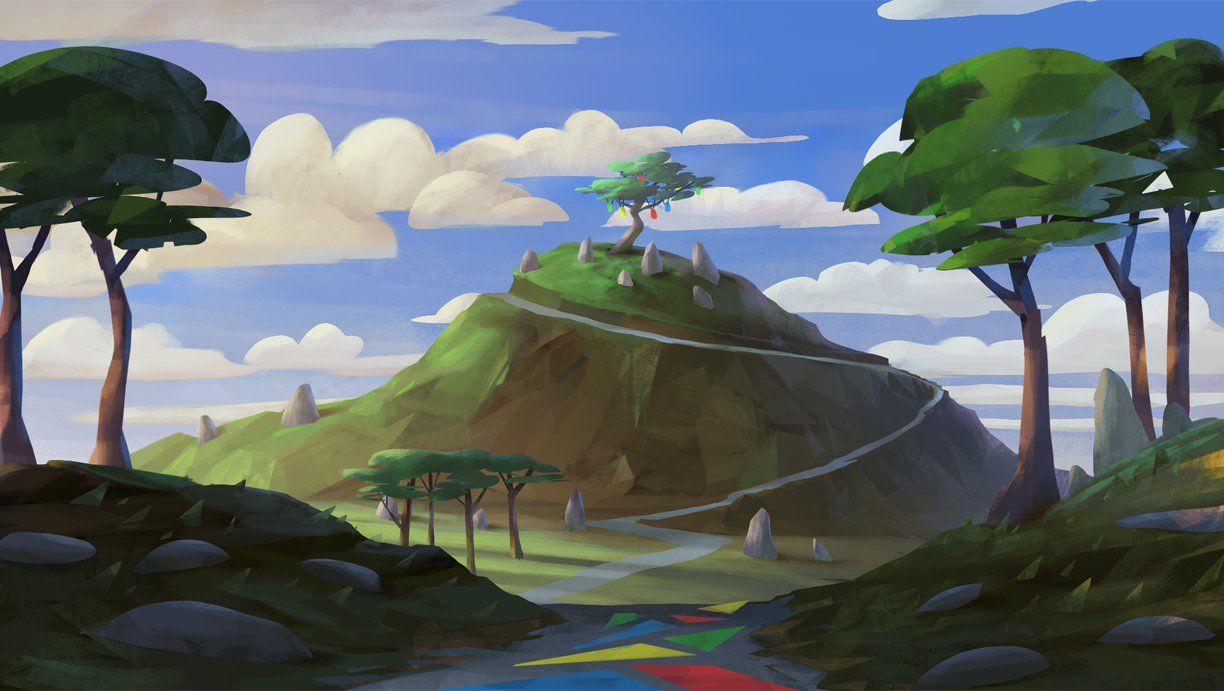
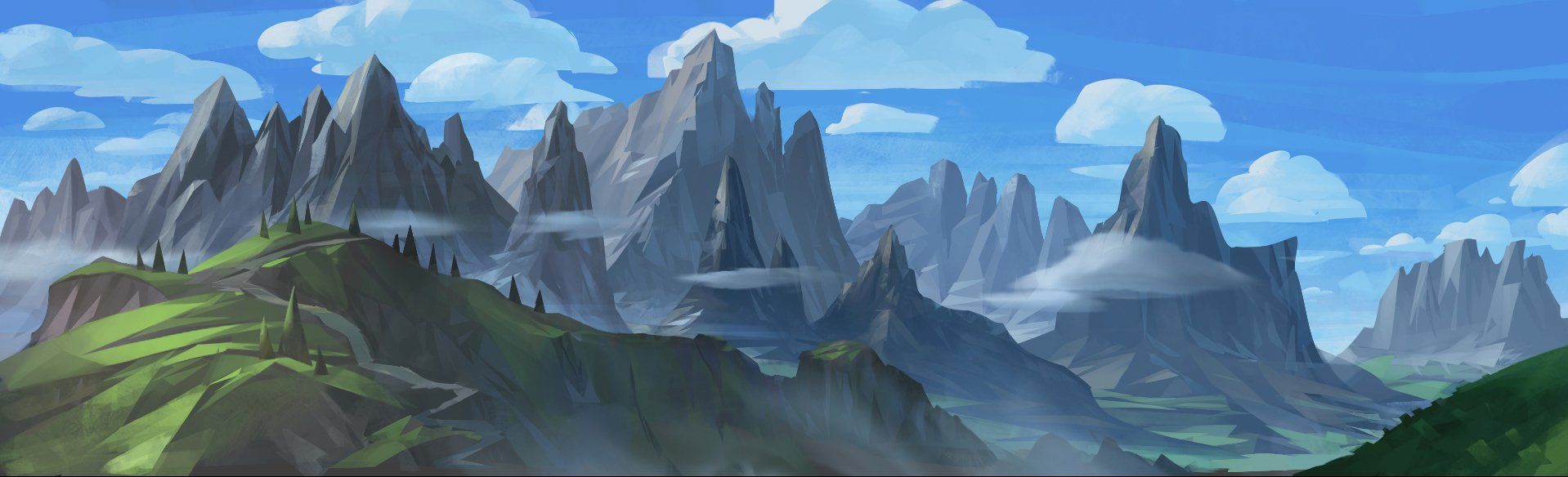
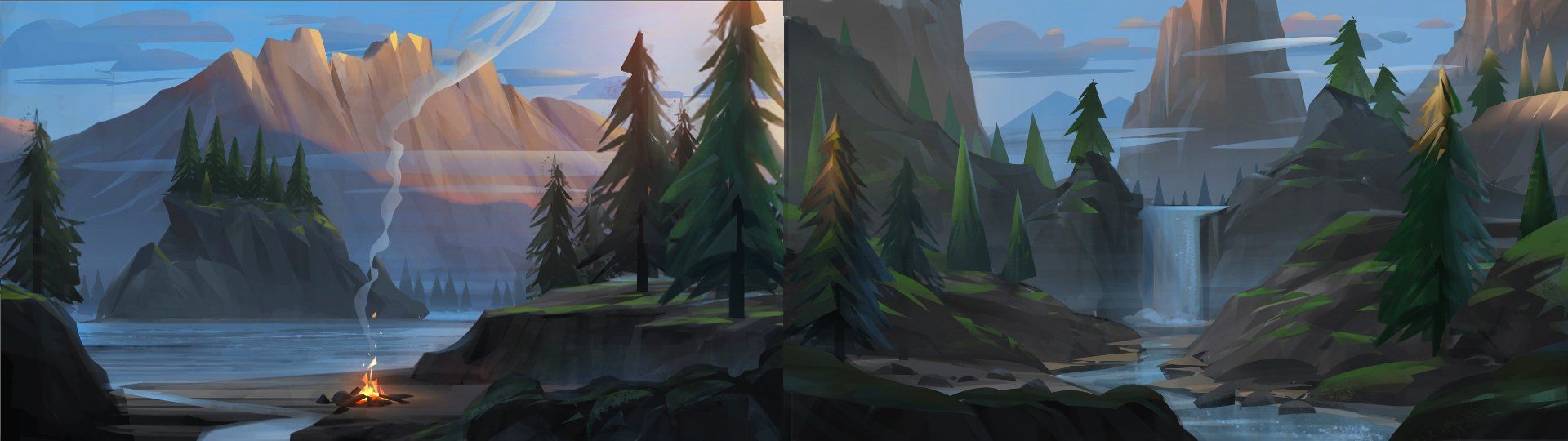
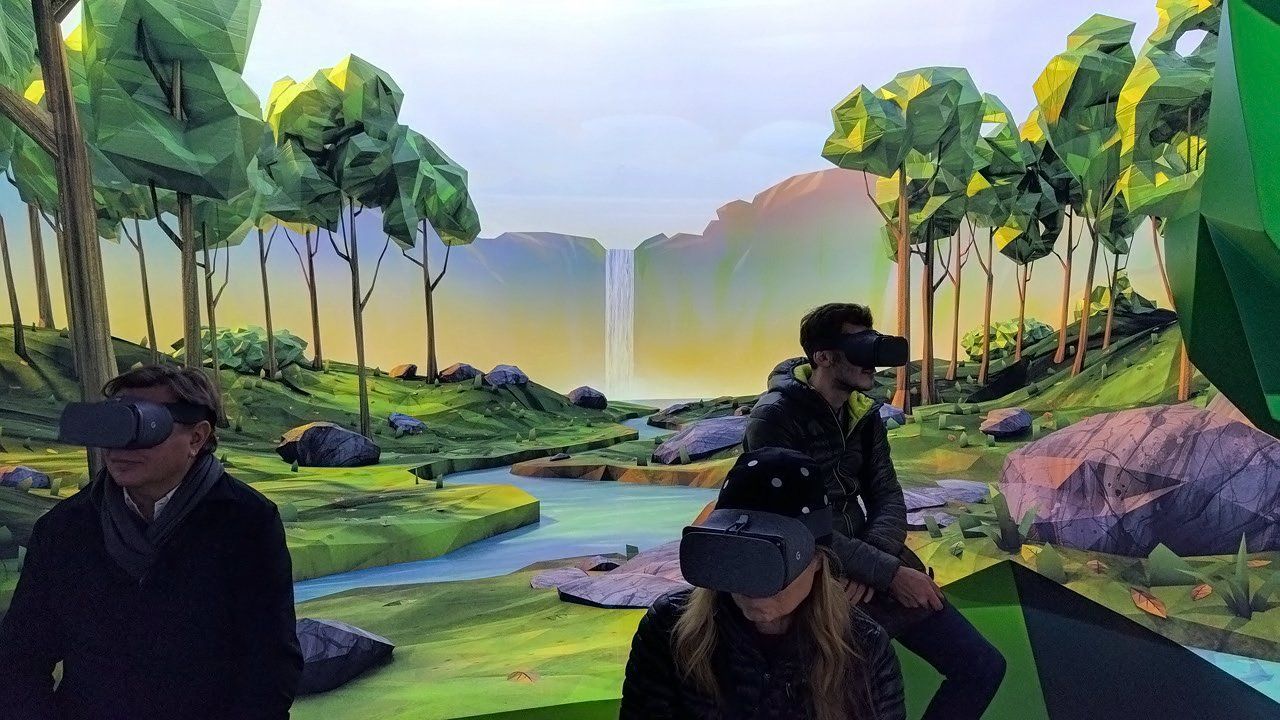
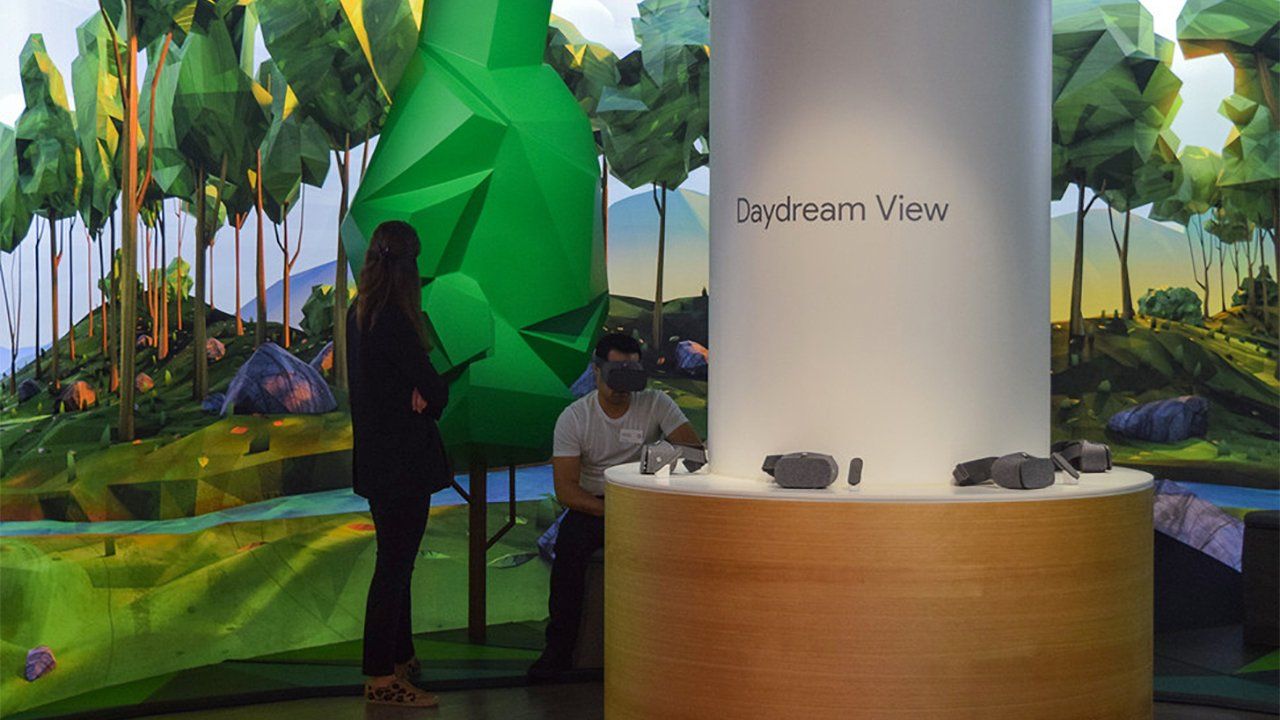
I was offered the chance to design environments for the Daydream View launch. It was a fantastic opportunity to work from a blank slate and lead a design effort for a Google product. Initially I explored how a simple 'papercraft' look could be worked into an VR environment, this eventually developed into a low poly aesthetic which evolved from taking photographic scenes and distilling them down into simple polygonal shapes while retaining the photo real lighting. Our original intent was, over time, to provide several different environments that users could choose from.
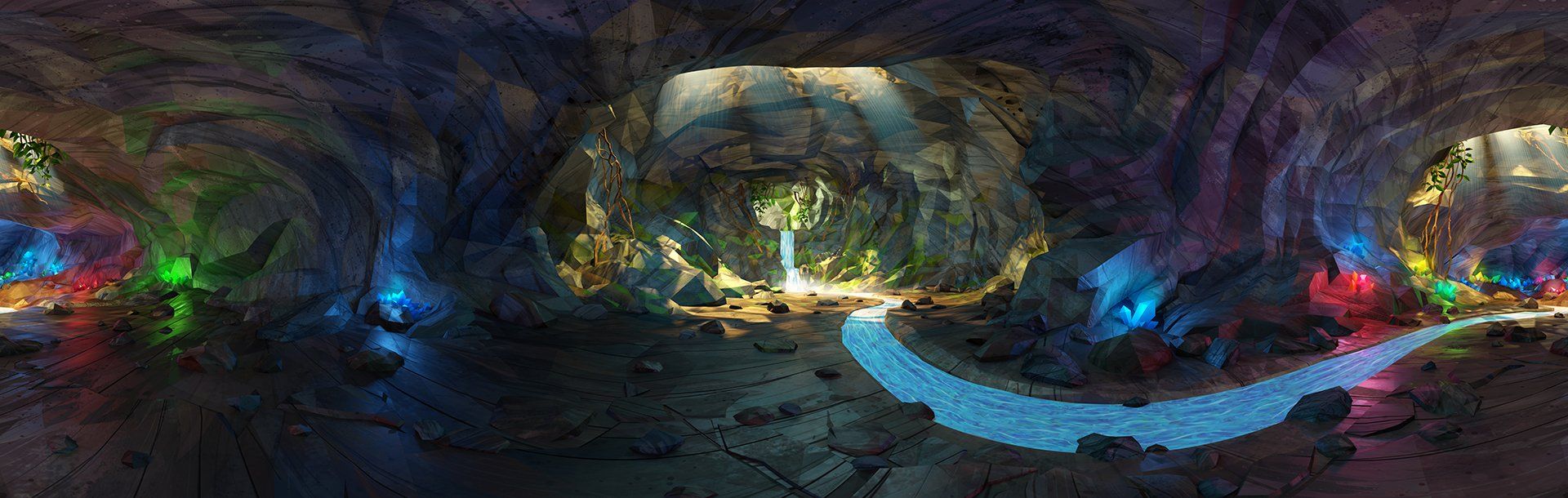
I supervised the modeling of the scenes with an internal contractor and an external vendor. All texturing and lighting was done internally with initial testing of placement and depth in VR using Omni Directional Stereo renders (ODS renders) from Maya using the Vray renderer. I took care to place scene objects so they would not clash with the UI or clutter the scenes. From those initial stereo renders we moved to exporting the full 3d scene to Google's internal 3d engine, Lullaby.
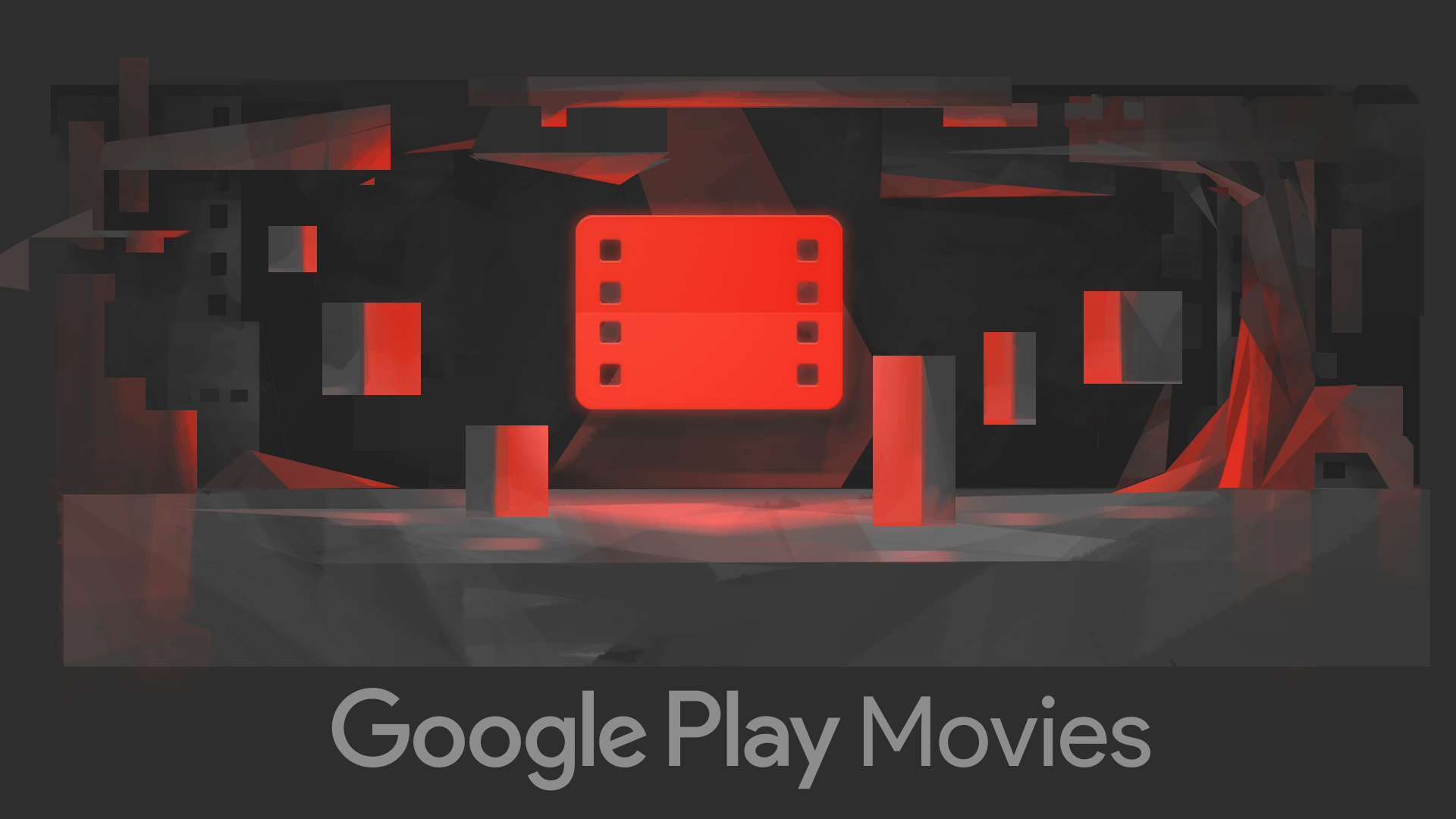
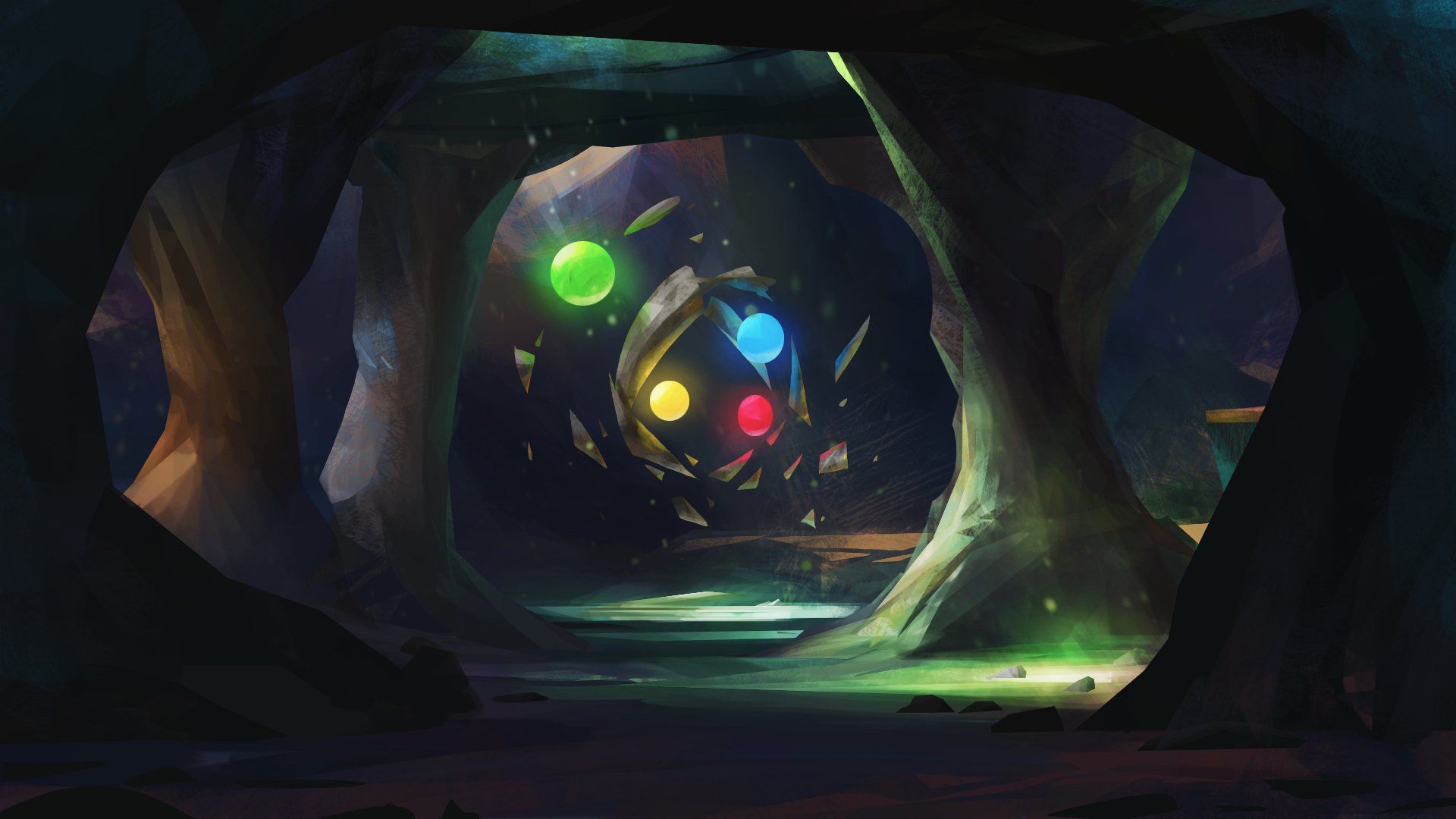
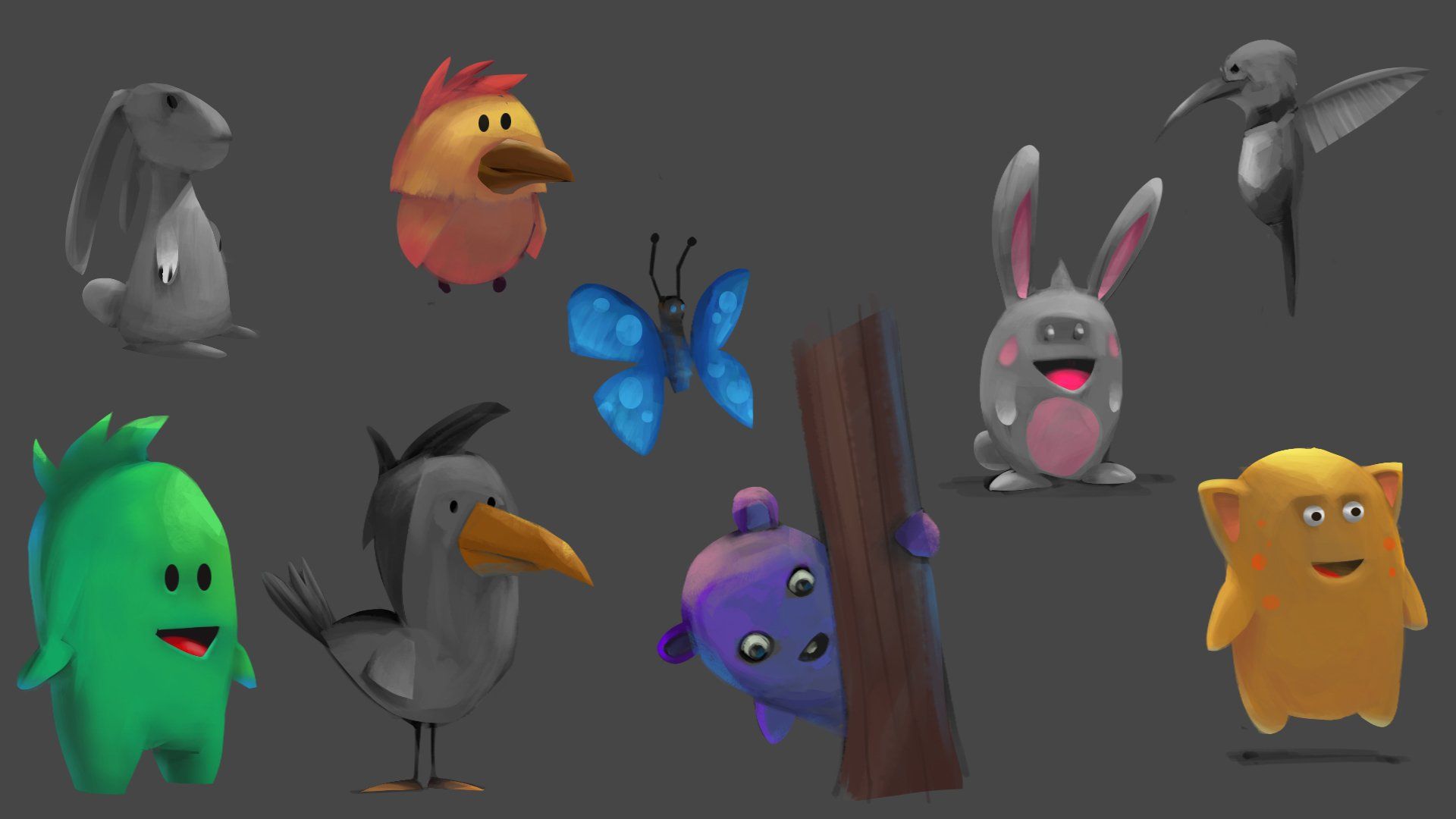
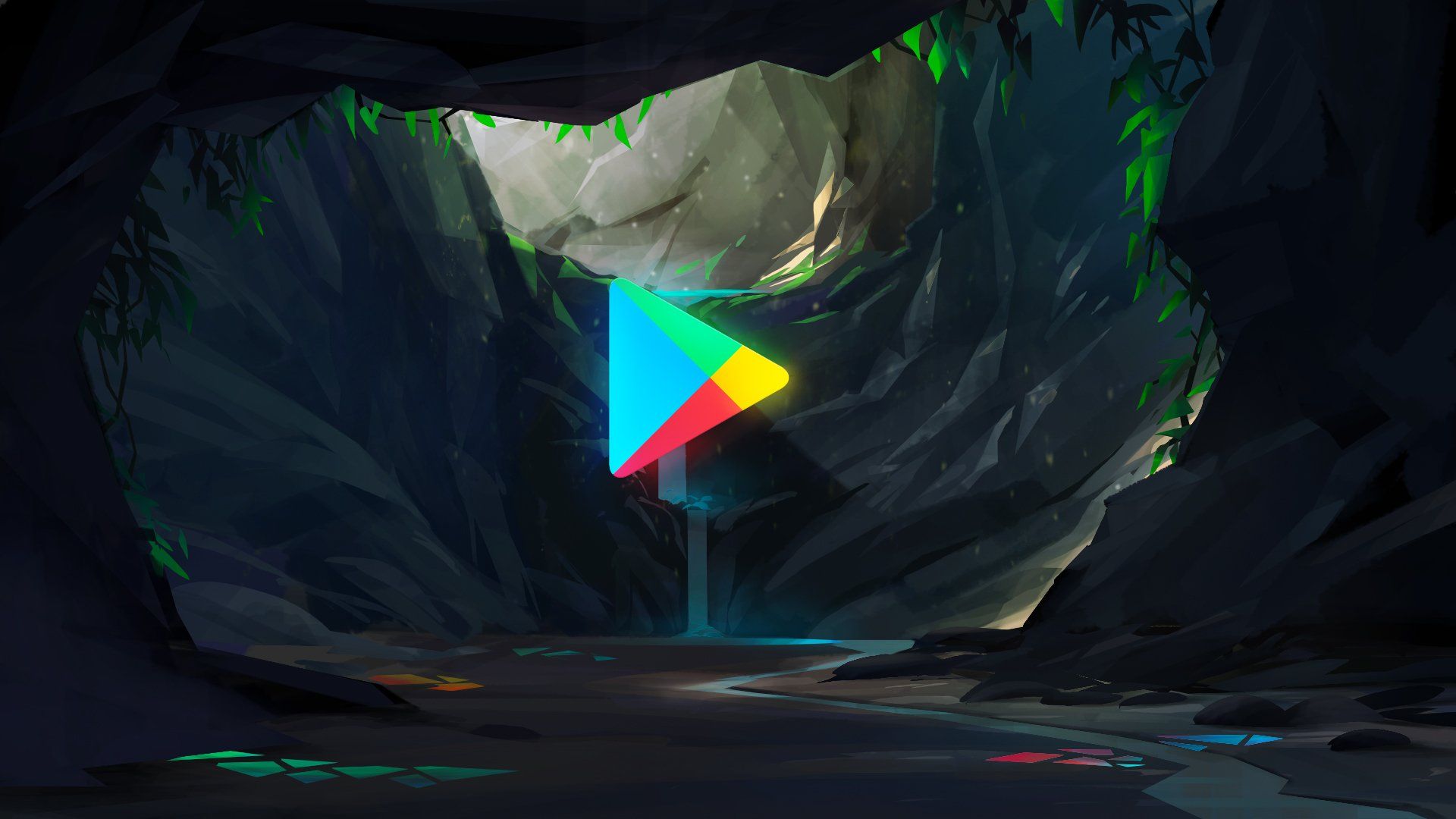
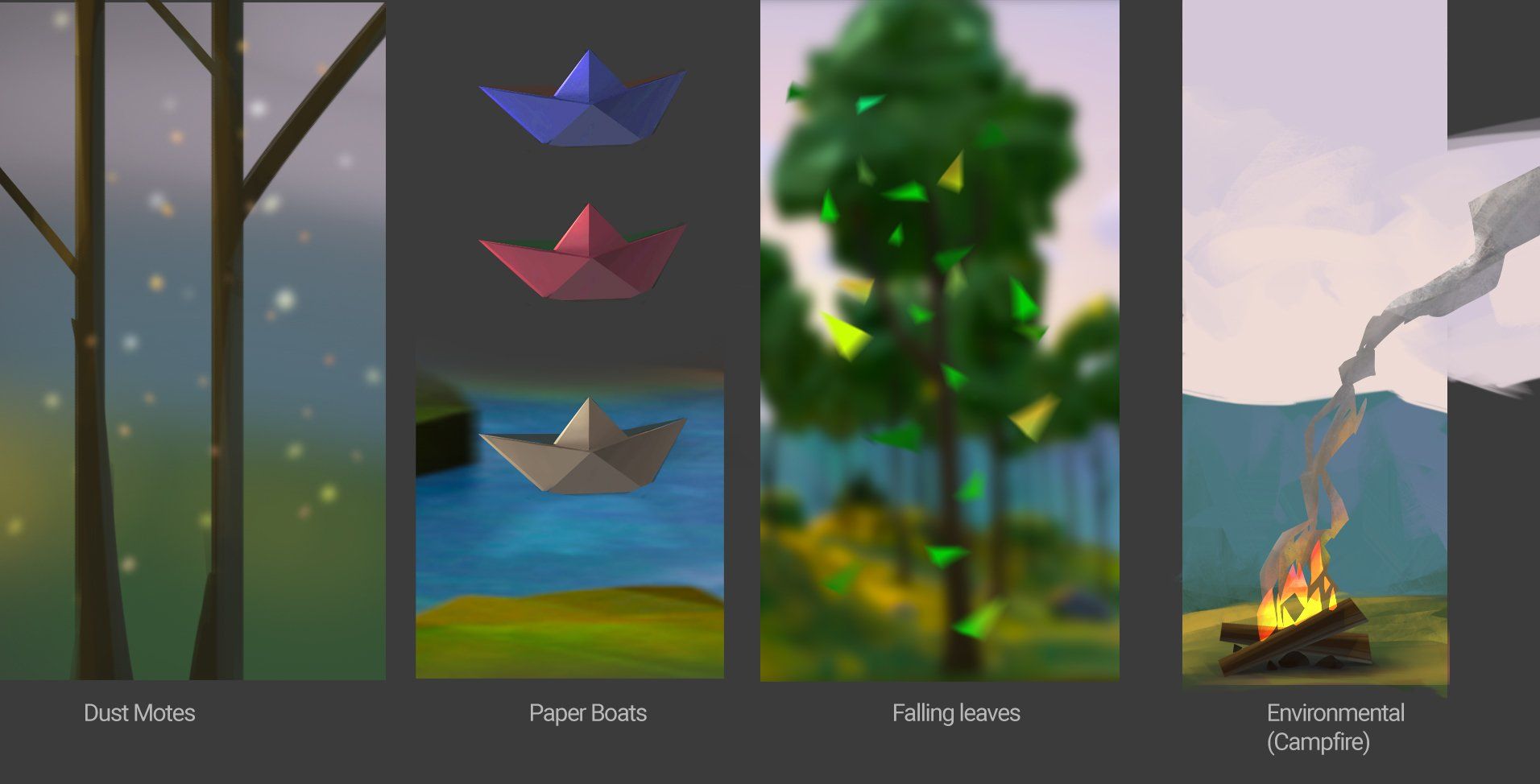
Lullaby at that time didn't support lighting. Using a cubic map of the environment, we 'projected' this back onto the low poly mesh using a custom shader. This gave us the quality and detail of the Vray rendered environment. I added animated touches like flying birds that circle around the trees and moving water textures for the stream and waterfalls in both the Homeworld and Google Play Cavern. Other hand animated elements included the gem particles in the Cavern and dust motes in the light rays (simple layered scrolling texture).
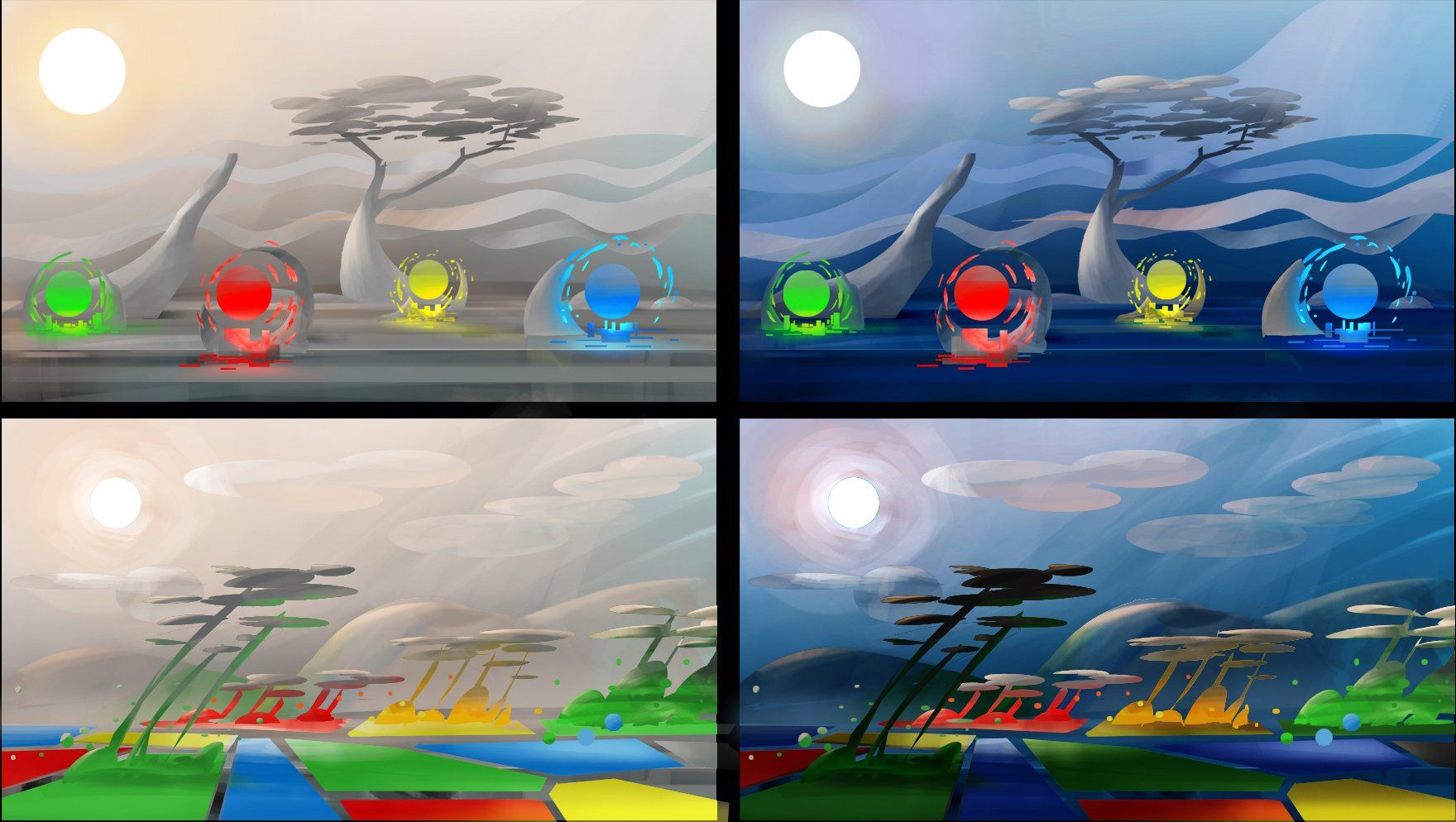
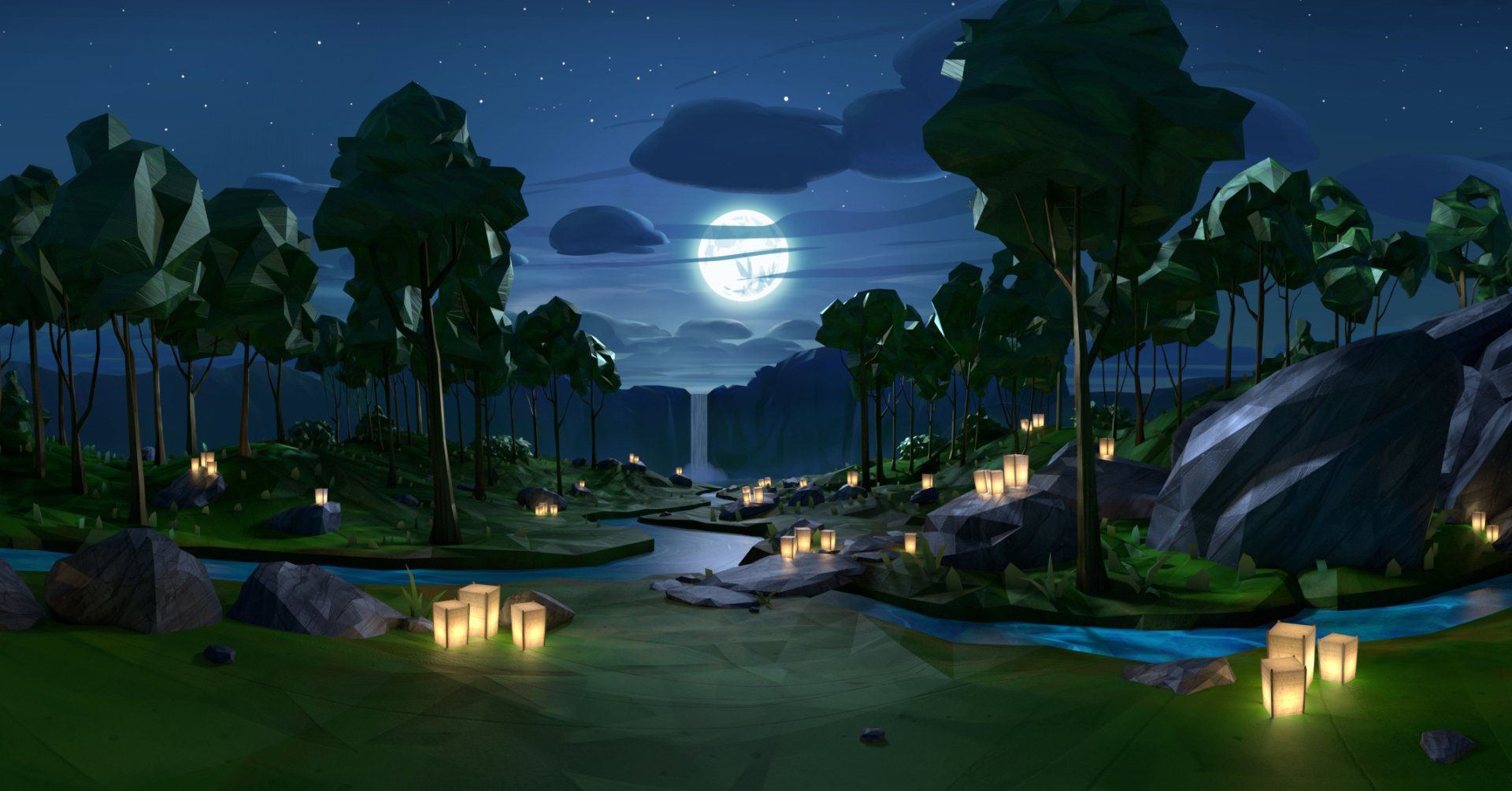
With the potential to add additional environments down the road, I developed a plan to build more after launch, even going as far as to create a night time version of homeworld. Unfortunately due to factors out of my control, these never made it into production.